Dredging Around Critical Infrastructure
Reviewed by Joseph Templeton, President, Zion Marine · Last reviewed October 2026
How diver-guided dredging protects intakes, screens and structures during sediment removal.
Sediment is an infrastructure problem
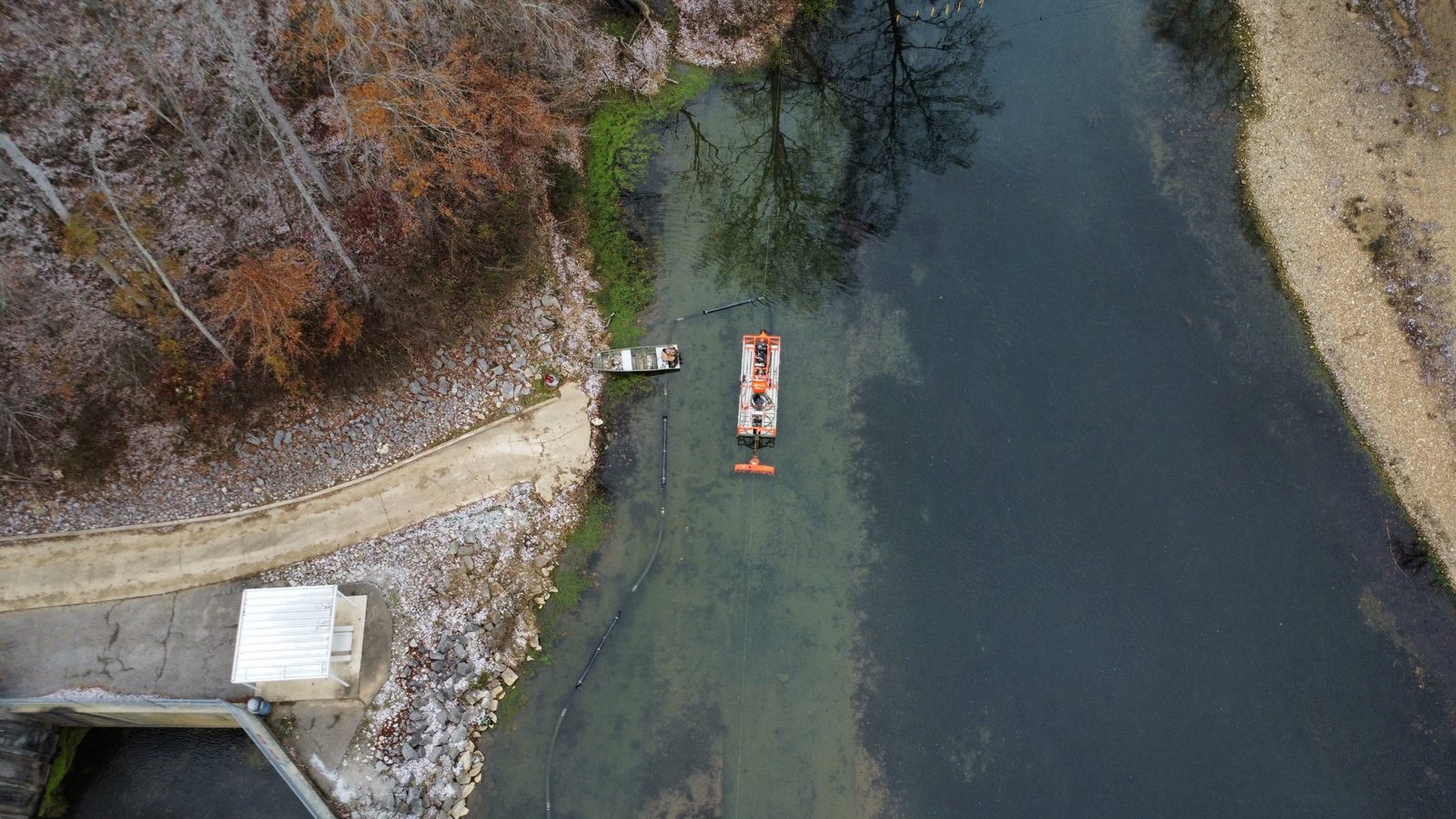
Sediment accumulation around intakes, in forebays, in reservoirs and along structures is not a cosmetic issue. It restricts flow, buries components, changes hydraulic behavior and can make future inspection and repair harder. Removing it is maintenance of the facility, not excavation for its own sake.
Why diver involvement changes the risk profile
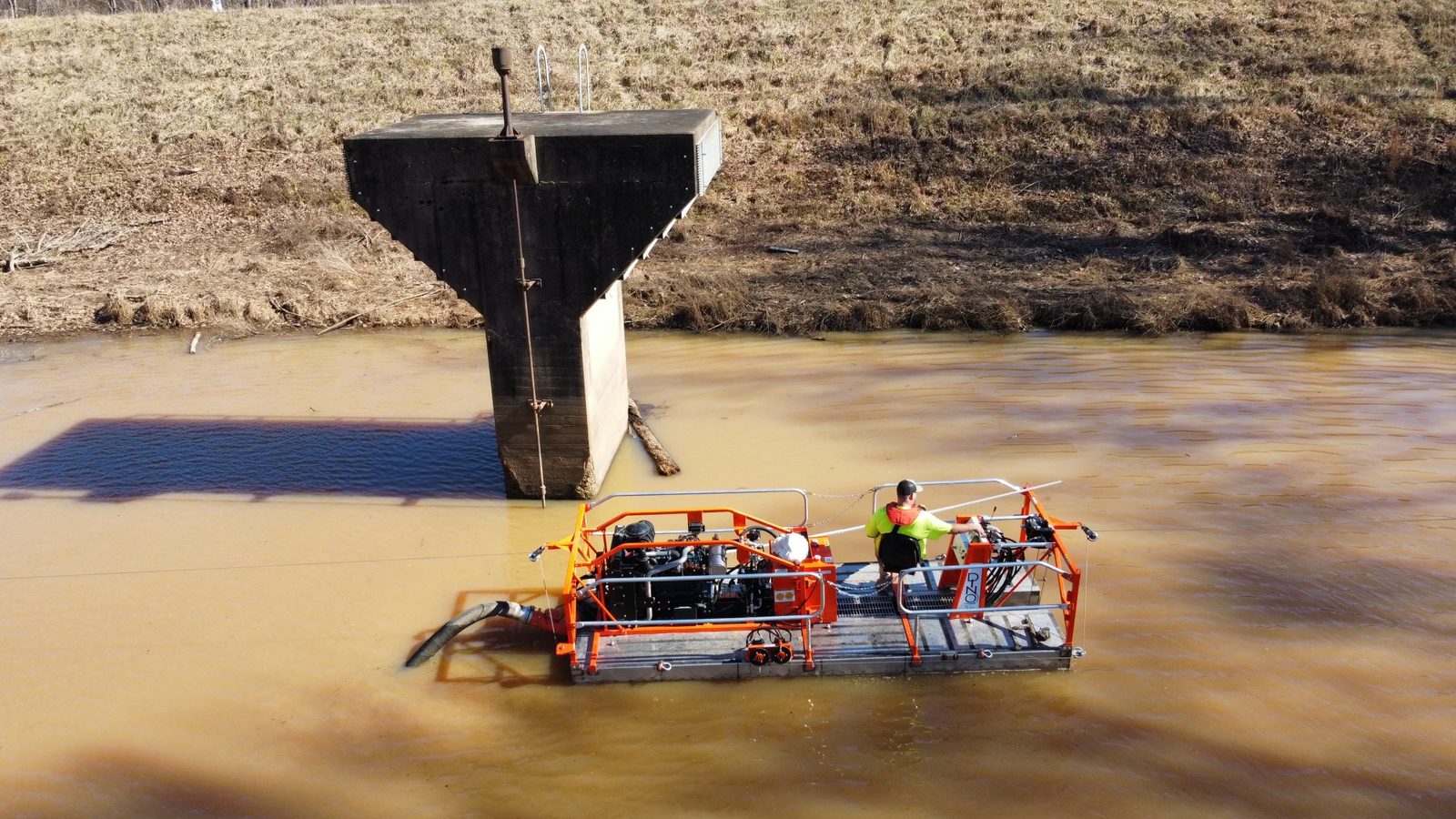
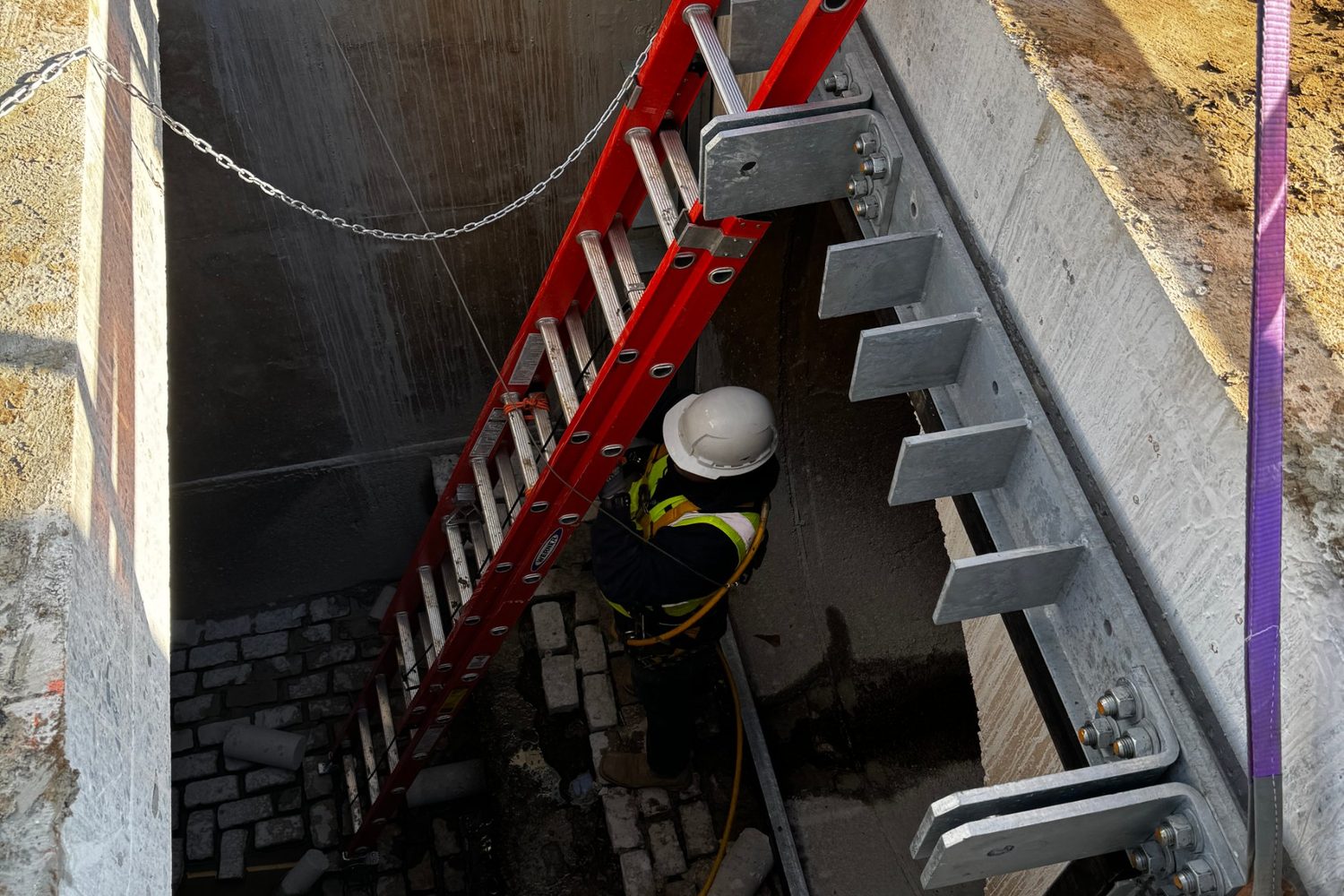
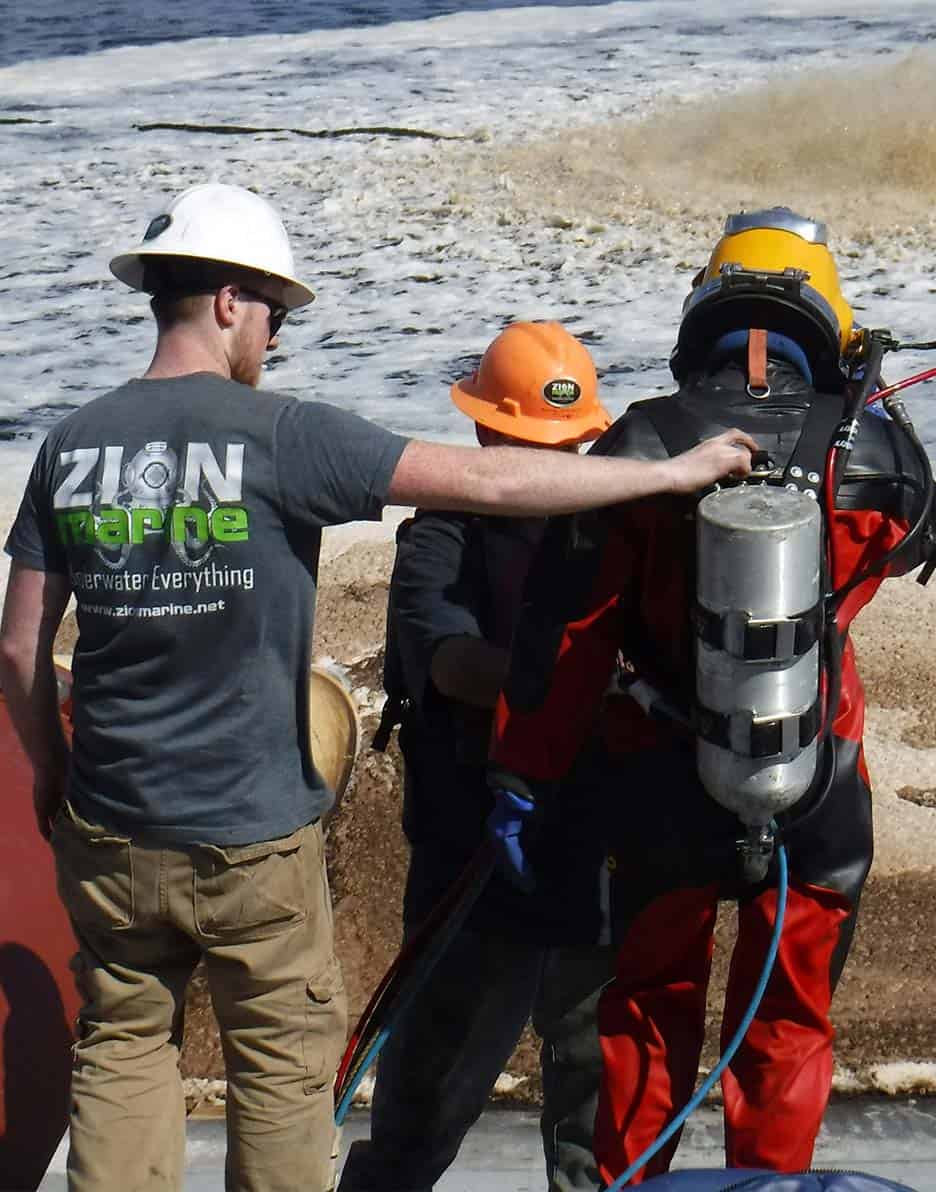
Conventional dredging near submerged components relies on the operator's ability to see and control the cutter or head remotely. In confined areas, near screens, gates or damaged concrete, that uncertainty is the risk. Diver-guided and diver-assisted dredging puts a trained commercial diver in direct control of the removal around the most sensitive components, with surface communication throughout.
What determines the method
Method selection depends on the material, the volume, access to the work area, discharge distance, water depth, dewatering requirements and environmental or operational constraints. There is no universal production rate, hard material, long discharge runs, confined access and debris all reduce output, sometimes dramatically.
- Material type: silt, sand, organic sediment, debris-laden material
- Volume and required removal precision
- Access: open water, confined basin, structure interior
- Discharge distance and dewatering arrangements
- Proximity to components that must not be damaged
Protecting the structure during removal
Dredging around an intake, trash rack or damaged concrete requires deliberate controls: defined removal limits, verification of remaining sediment, and inspection of the exposed component after removal. In many projects, sediment removal is immediately followed by inspection of what the sediment was hiding, which is frequently where the real condition is discovered.
What happens to the material
Dredged sediment must go somewhere, and the answer affects project cost and feasibility. Dewatering areas, discharge permits and disposal requirements vary by jurisdiction and material. Owners should expect the contractor to ask about dewatering space and disposal expectations early in planning.