Capability · Dredging & Sediment Removal

Restore flow where sediment has settled.

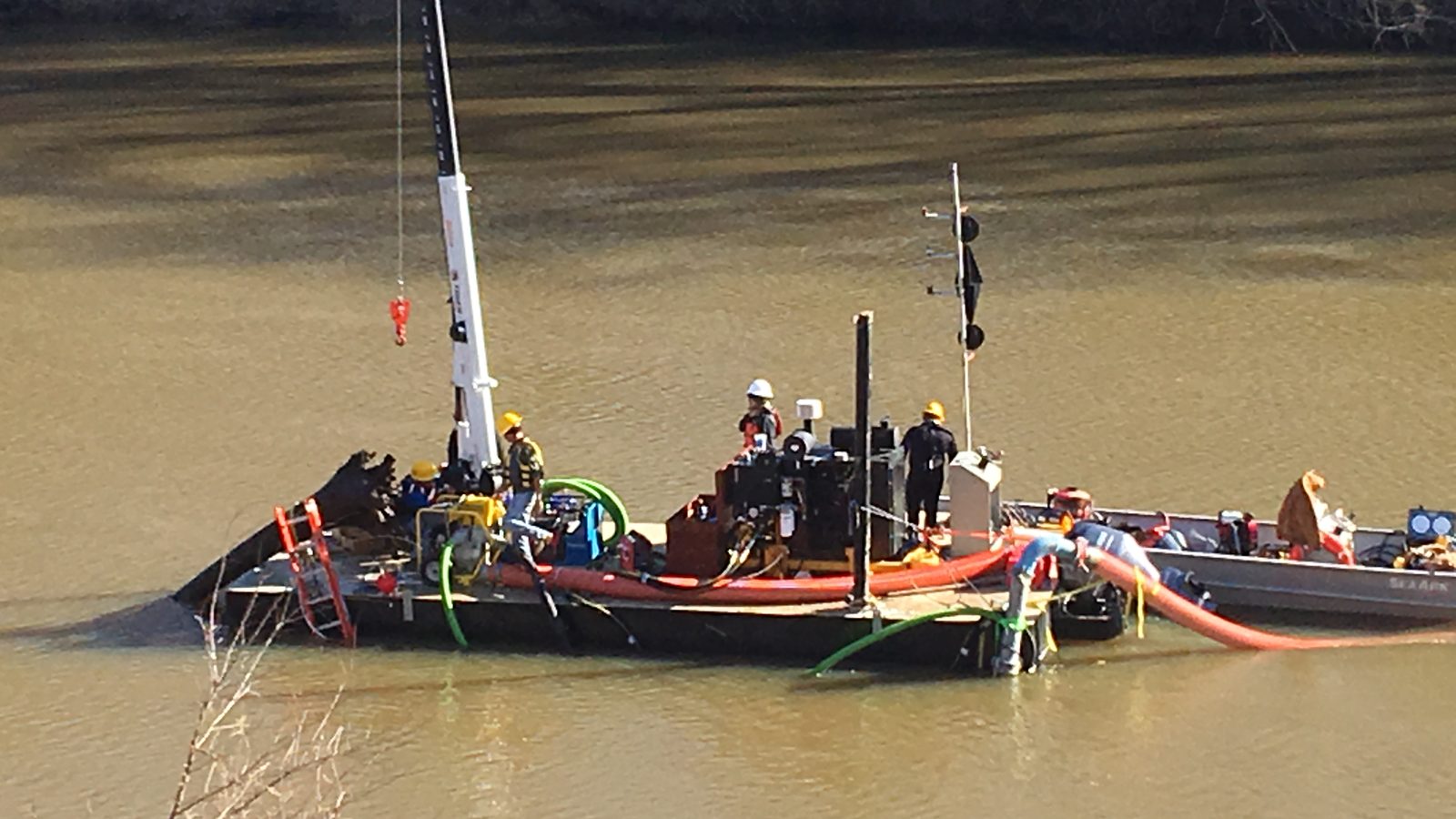
Diver-guided hydraulic suction dredging for intakes, forebays, pump wells, basins and berths, sediment and debris removal that restores capacity without taking the facility offline.

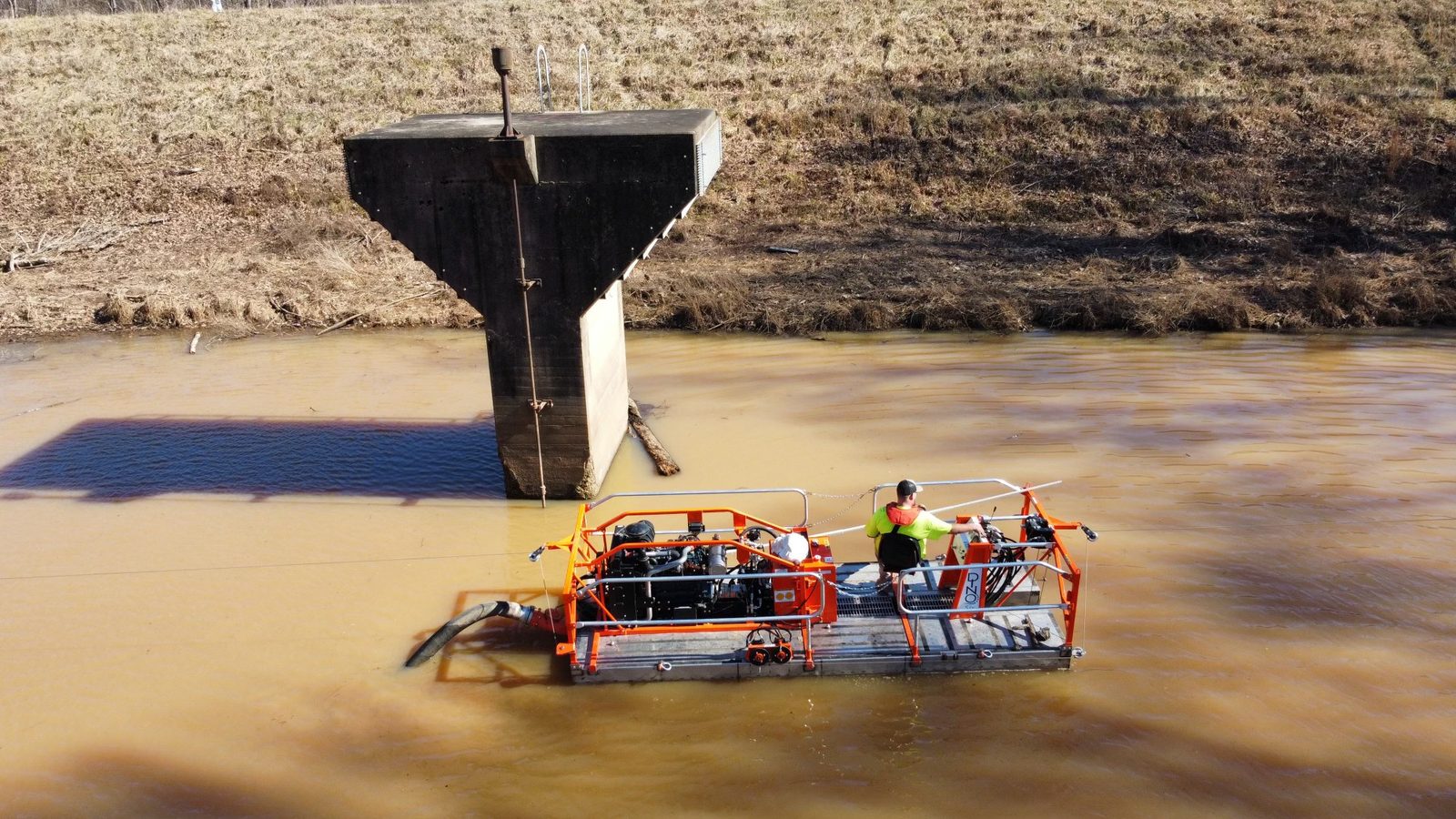
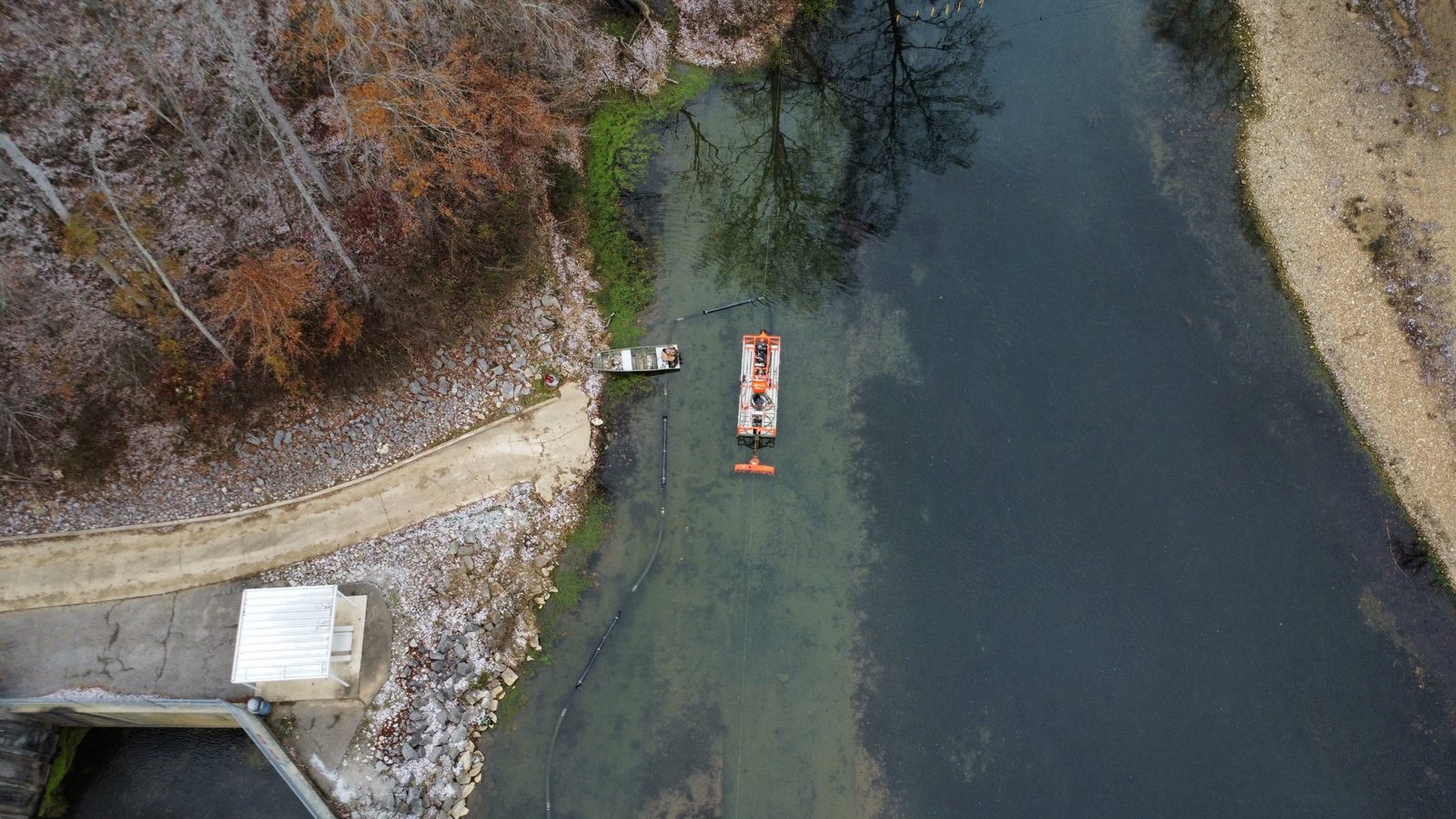
Dredge barge beside an intake tower, aerial view.
Hydraulic
Suction Dredging
Diver-Guided
Targeted Removal
Live
Often Without Shutdown
Measured
Volume Documentation
Overview

Sediment takes capacity quietly.

Every year of settlement reduces intake flow, pump efficiency and storage volume, gradually, and out of sight. Diver-guided dredging removes that sediment precisely, protecting the intakes, screens and structures it has accumulated around.

When this capability is needed.

Capacity loss
  • Reduced intake or pump capacity
  • Settled basins and forebays
  • Shoaled berths or slips
  • Storage volume loss
Operational problems
  • Sediment reaching pumps or screens
  • Debris mixed with sediment
  • Flow restriction at structures
  • Dredging around active intakes
Hard-to-reach areas
  • Confined basins and wells
  • Areas inaccessible to conventional dredges
  • Sensitive infrastructure surroundings
  • Limited access shorelines
Methods and deliverables

Method follows the material.

Method selection depends on material, volume, access, discharge distance, water depth, environmental constraints, dewatering requirements and operational conditions. Depending on the project, methods may include:

  • Diver-assisted dredging
  • Hydraulic dredging
  • Mechanical dredging
  • Portable dredging systems
  • Sediment removal
  • Debris removal
  • Dewatering support
  • Pre-dredge condition assessment
  • Volume estimate
  • Removal tracking
  • Post-dredge verification
  • Disposal coordination documentation
Workflow

From volume estimate to verified removal.

A structured path from the initial review to a deliverable the owner or engineer can act on.

01

Condition & volume estimate

We assess the sediment condition and estimate the removal volume so the owner can plan disposal and schedule.

02

Method & access planning

Dredging method, discharge handling and access are planned for the specific basin, forebay or berth.

03

Diver-guided removal

A diver guides the suction head to remove sediment precisely, protecting intakes, screens and structures.

04

Verification & documentation

Restored depth and capacity are verified and the removed volume is documented for the owner's record.

Where it applies

Infrastructure and markets this capability serves.

Intakes

Approach channels and screens.

Forebays

Settling and approach basins.

Pump Wells

Wet wells and sumps.

Reservoirs

Storage and settling volume.

Lagoons

Wastewater treatment lagoons.

Berths

Slips and vessel berths.

Stormwater

Retention and conveyance.

Basins

Industrial process basins.

Water & Wastewater

Basins, forebays and wet wells.

View Market

Dams & Water Control

Intake channels and forebays.

View Market

Marine & Port

Berth and channel maintenance.

View Market

Industrial Infrastructure

Industrial basins and pump wells.

View Market

Government & Federal

Public facility maintenance dredging.

View Market
Operating conditions

Material, volume, access, discharge distance, depth, environmental constraints and operational conditions all shape the dredging approach. Zion Marine does not publish generic production rates, each project is planned to its actual conditions.

Evaluated per project
  • Material type and consolidation
  • Volume and depth
  • Access and clearance
  • Discharge distance and handling
  • Dewatering requirements
  • Environmental constraints
  • Operational conditions
Surface-supplied diving

Infrastructure work is performed with surface-supplied diving: umbilical gas, voice communication, topside supervision and a standby diver. Why that matters →

In practice

Related dredging & sediment removal projects.

Project examples tagged to this capability in the Project Library.

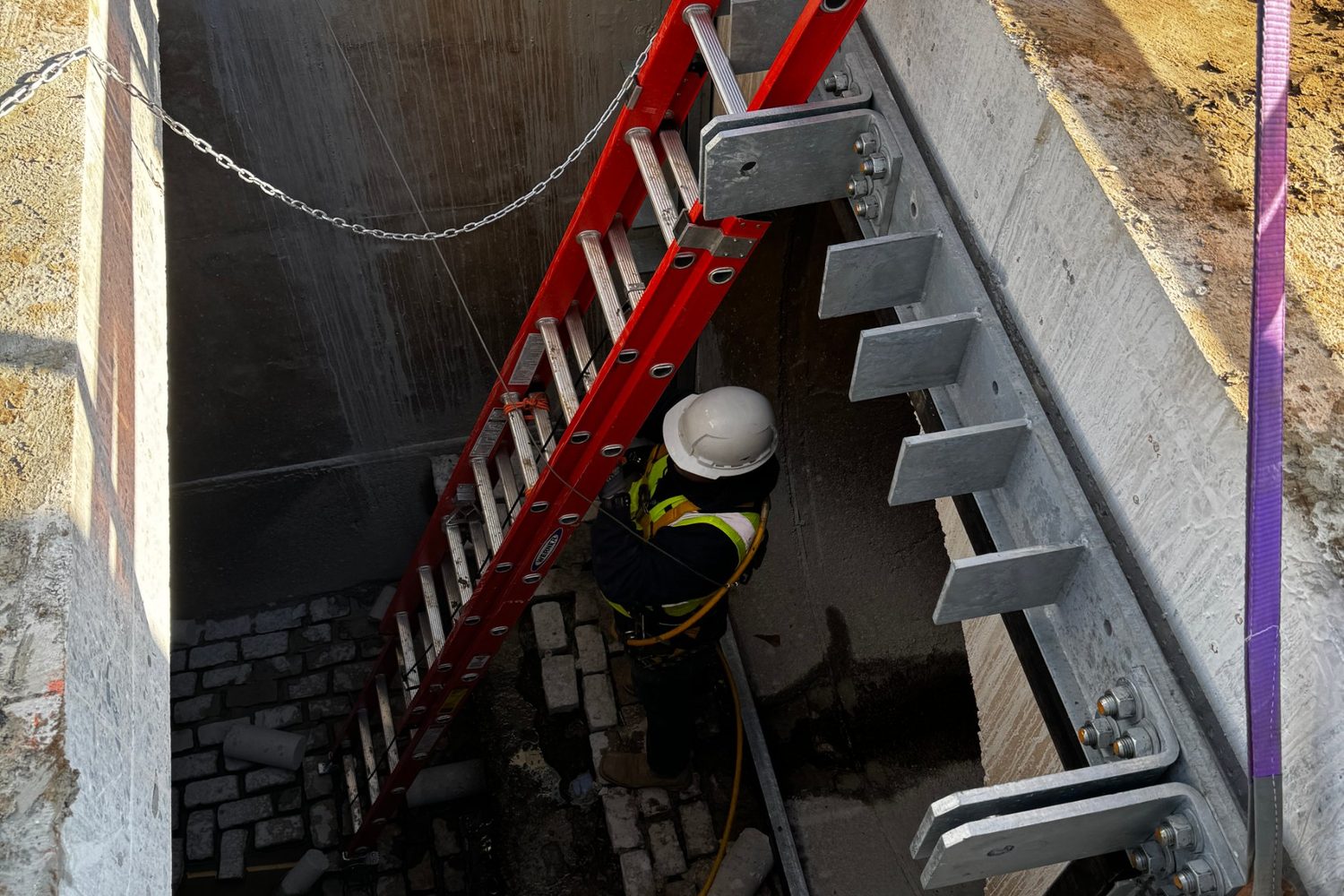
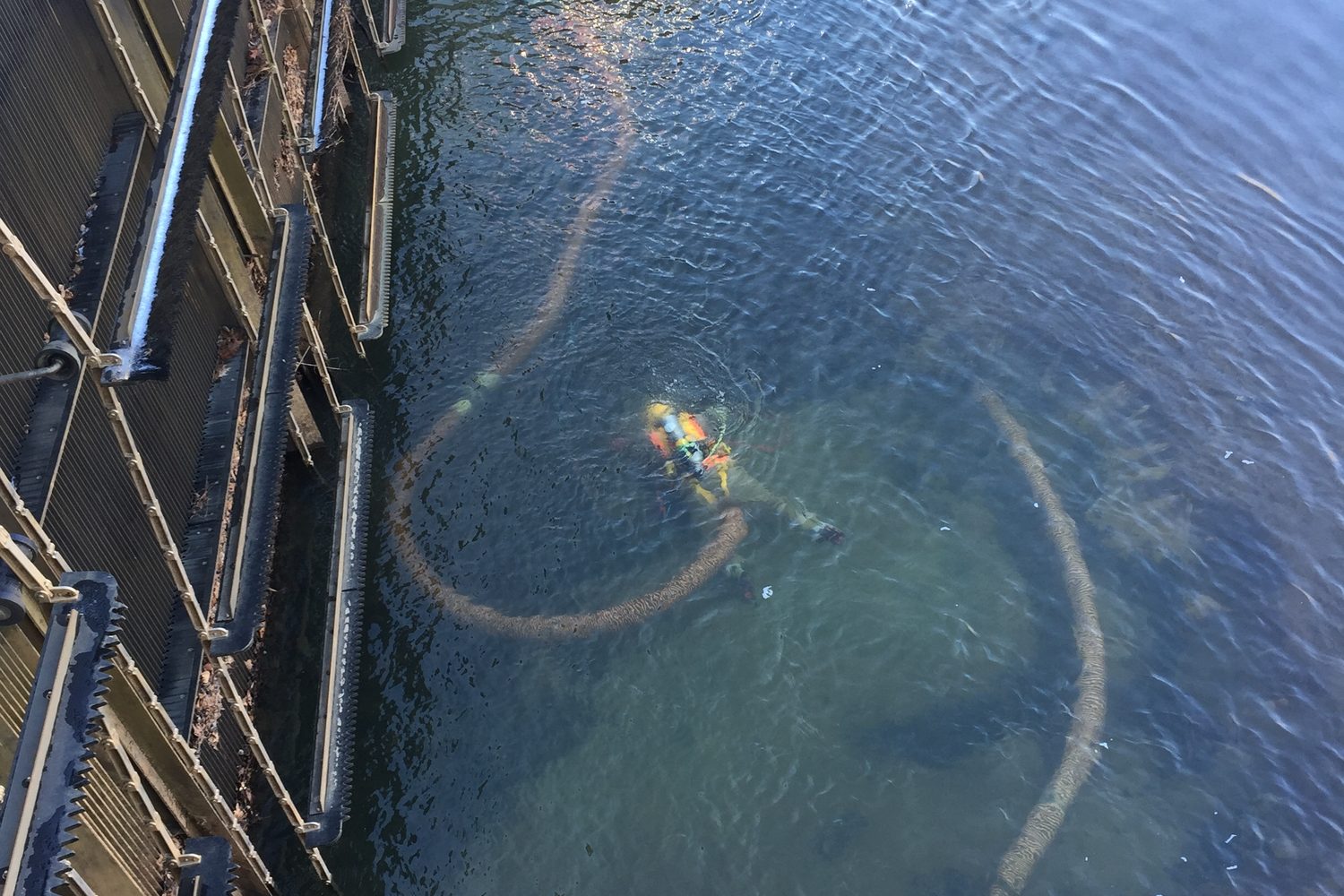
Diver working at the intake screens at the Scott Candler water treatment plant.
Water

Scott Candler Water Treatment Plant Intake Sand Removal

Owner: DeKalb County · DeKalb County, Georgia

Removed all sand from the intake area, inside each of the six channels, ahead of schedule. Part of Zion Marine's ongoing diving services contract with DeKalb County.

WaterIntakeSediment Removal
Licensed general and marine contractor. ADCI-certified divers and supervisors. TRIR 0.0 as of 2026, EMR 0.83 as of 2026. Full credentials on the Qualifications page.

Continuity of service

Know what's down there first.

Before dredging, a documented condition assessment establishes the sediment profile, volume and any debris or structure concerns, so the removal scope matches the actual basin.

What that can include
  • Sediment profile assessment
  • Volume estimation
  • Debris identification
  • Structure condition check
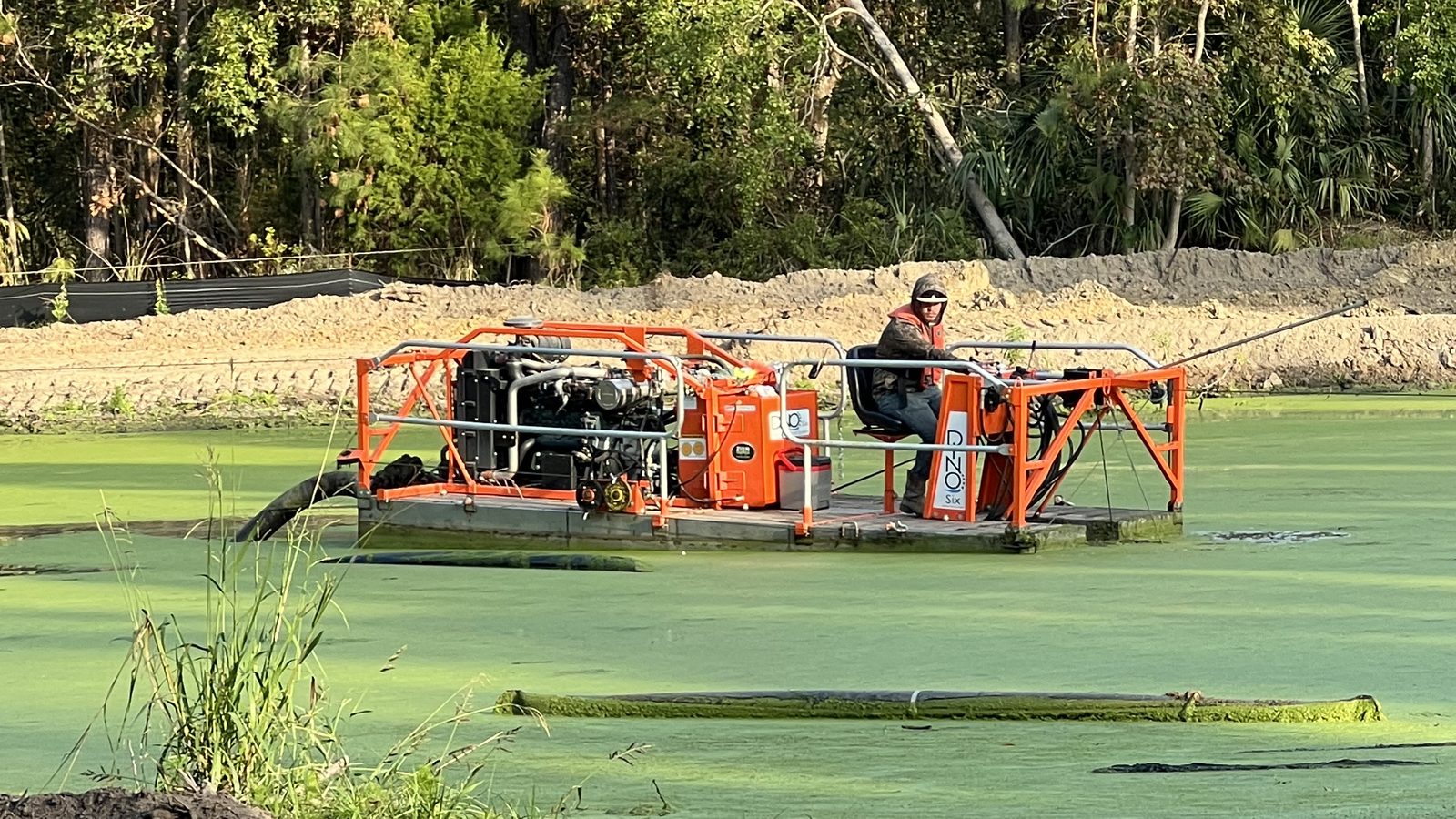
Dredge working in a green pond at a water intake.
Tell us about the structure and the condition

Losing capacity to sediment?

Tell us about the basin, forebay or berth and the condition. We'll help determine the right dredging scope.