Capability · Gates, Intakes & Flow Control

Keep flow control working below the waterline.

Sluice gate repair, seal replacement, trash rack cleaning, stoplog placement and differential pressure safety, for the gates and intakes that control flow through water, dam and industrial infrastructure.

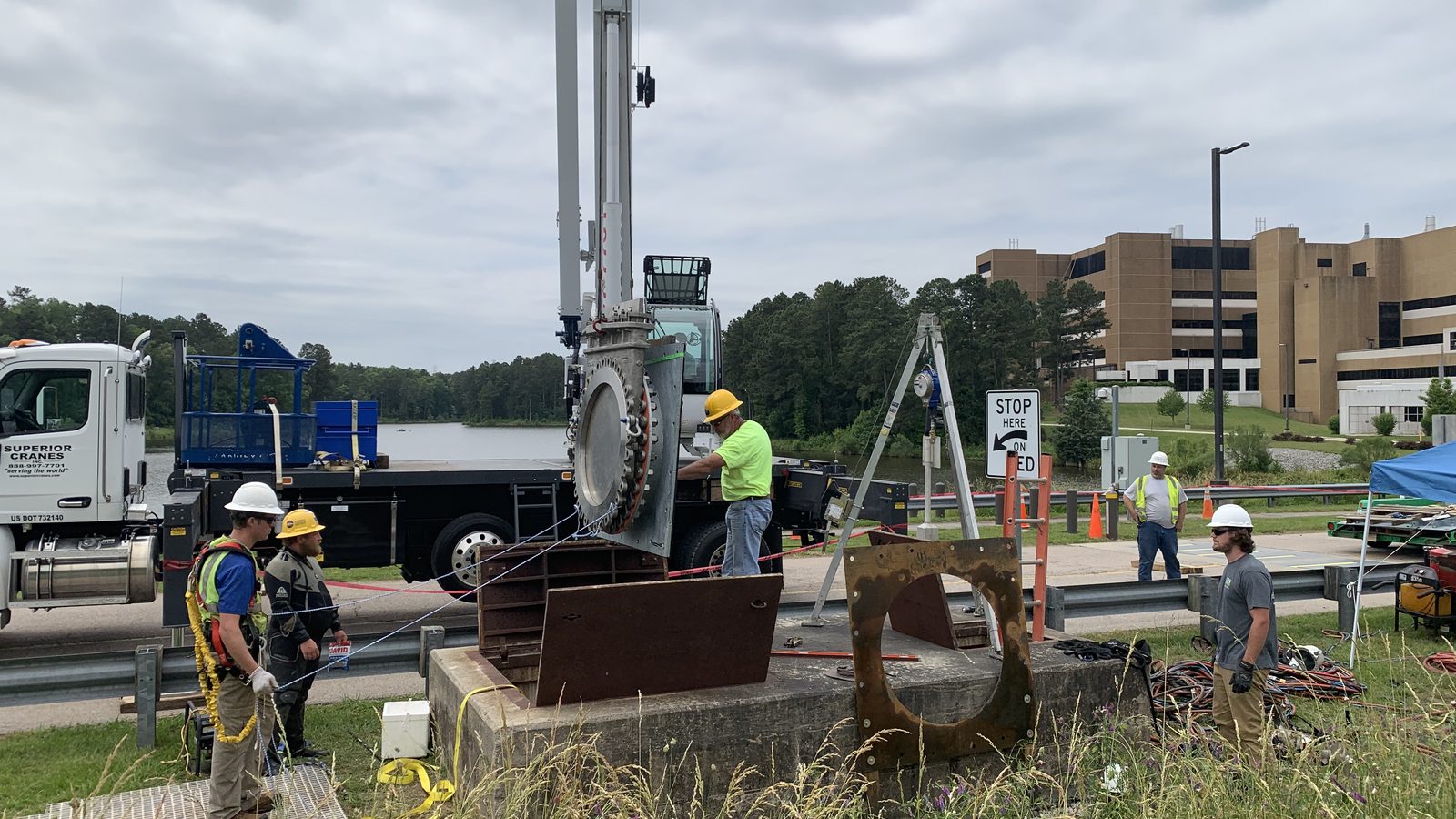
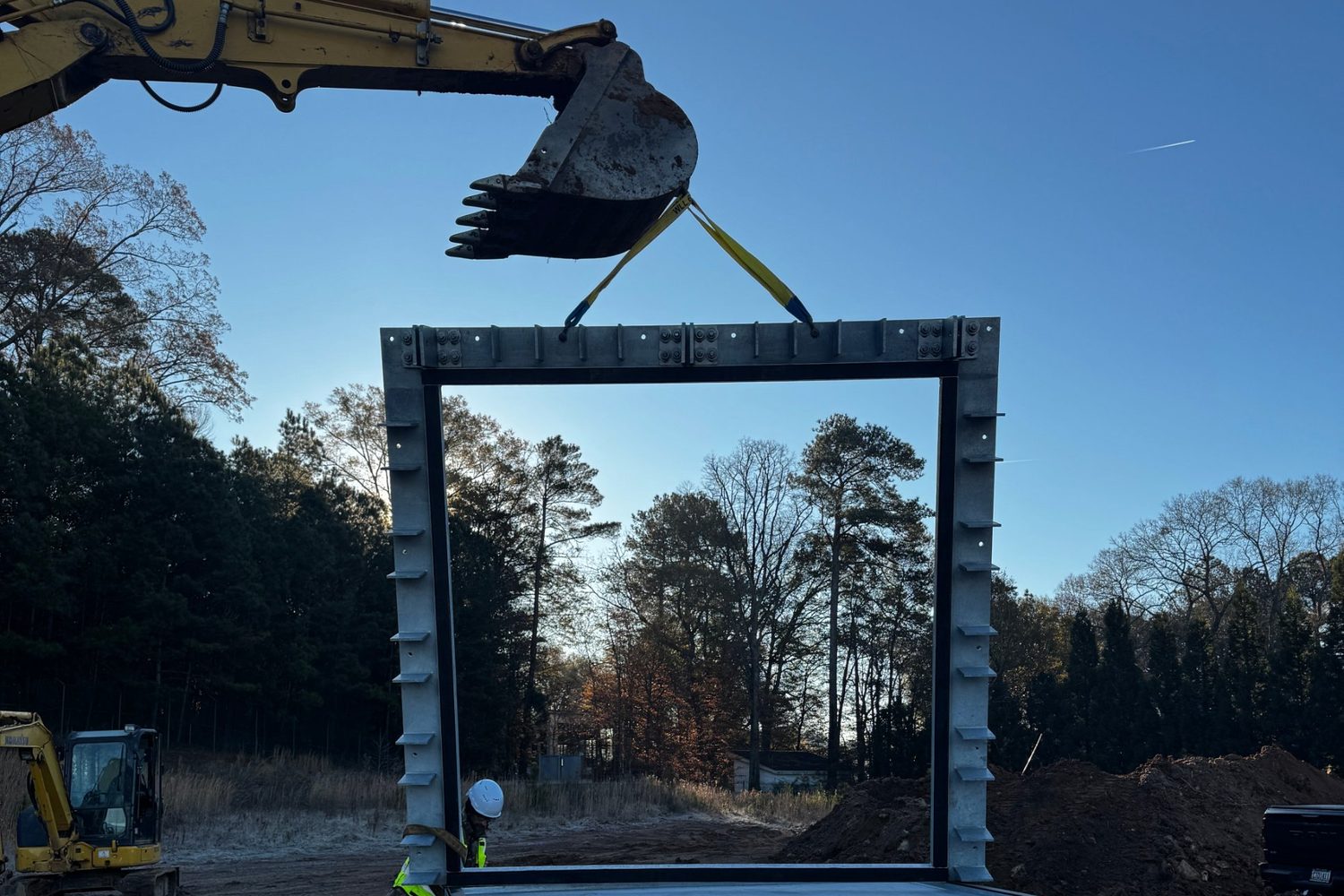
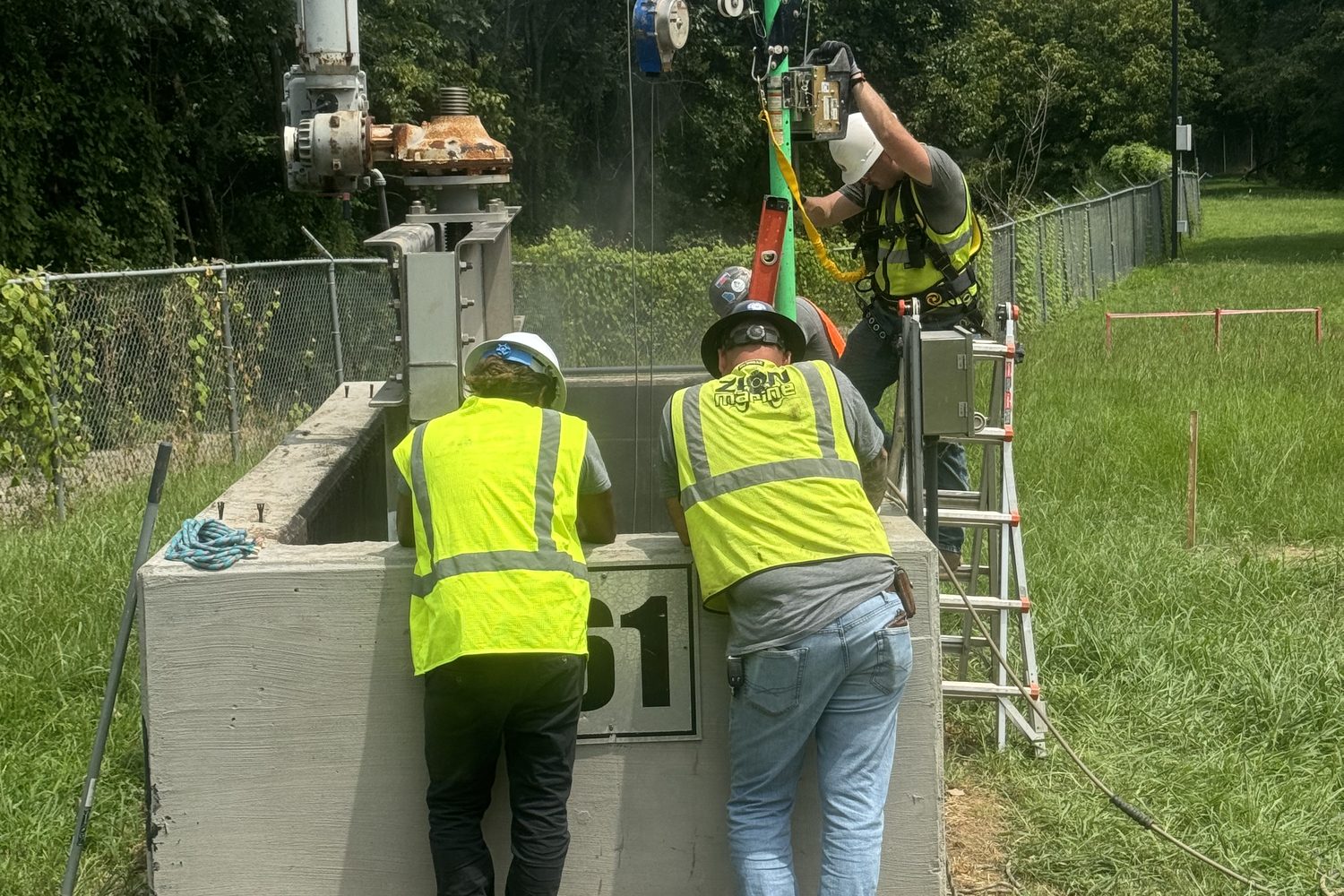
Crew lifting a gate frame at a dam control structure.
Gates
Sluice, Crest & Control
Seals
Replacement & Seating
Intakes
Trash Rack & Screen Work
Safe
Differential Pressure Planning
Overview

When the gate is the problem.

A gate that won't seat, an intake that's blocked, a seal that leaks, flow control problems are usually submerged, and they rarely wait. Zion Marine inspects, repairs and restores gates, intakes and flow control systems without draining the structure they protect.

When this capability is needed.

Gate conditions
  • Gates that won't seat or seal
  • Leaking seals or seats
  • Binding or jammed gates
  • Corroded or damaged gate components
Intake conditions
  • Blocked or fouled trash racks
  • Restricted intake flow
  • Damaged screens or racks
  • Debris accumulation
Planned & construction work
  • Stoplog or bulkhead placement
  • Gate removal or installation
  • Inspection-driven repairs
  • New construction support
Methods and deliverables

Services on gates and intakes.

Depending on the structure and condition, services may include:

  • Inspection
  • Debris removal
  • Cleaning
  • Repair
  • Removal
  • Installation
  • Mechanical work
  • Seal inspection and replacement
  • Guide and frame inspection
  • Structural inspection
  • Dredging around structures
  • Isolation and lockout/tagout evaluation
  • Differential pressure assessment
  • Flow control planning with facility staff
  • Standby diver and emergency procedures
  • Documented dive plan
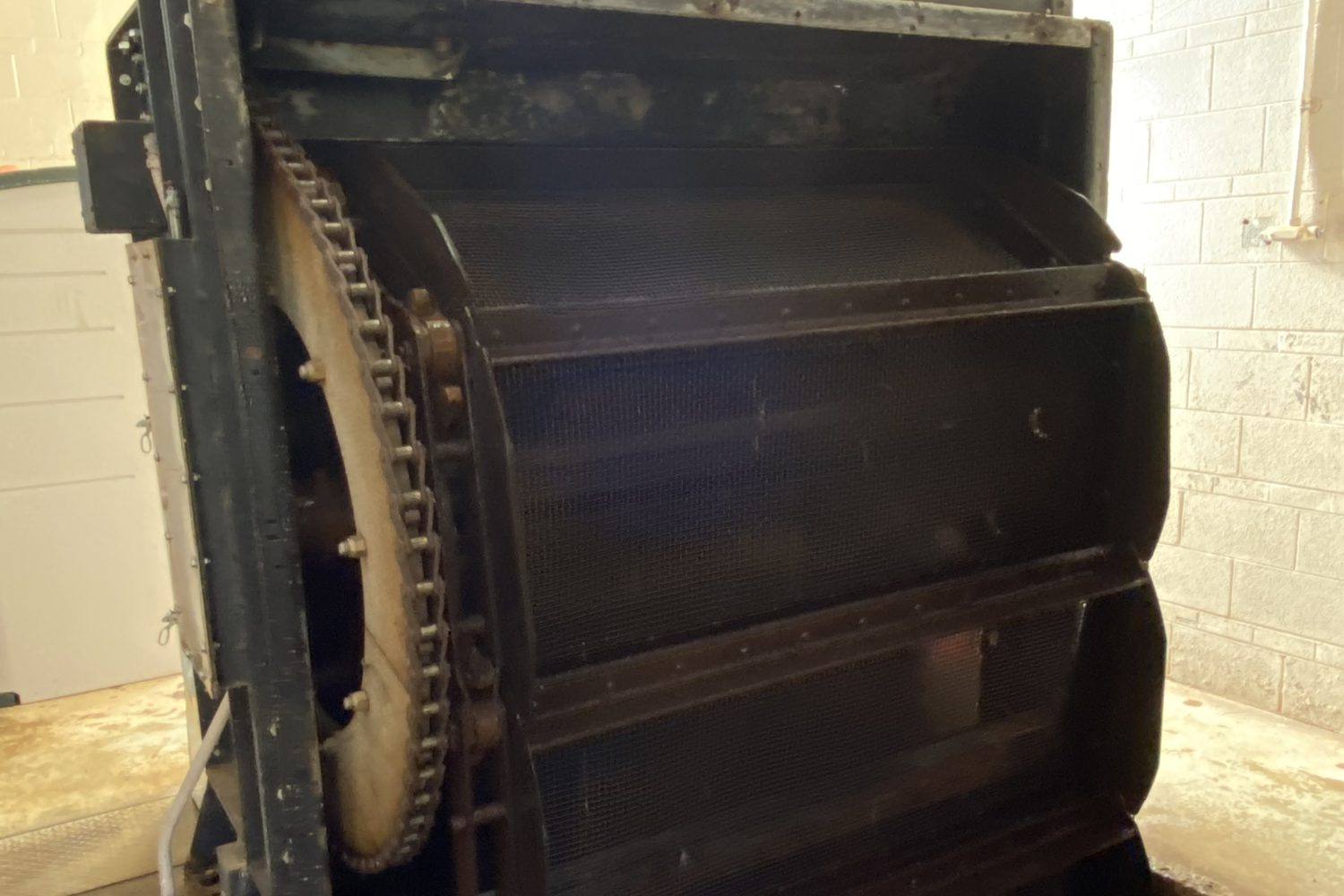
Traveling water screen with chain drive and mesh panels.
Gates, Intakes & Flow Control

Traveling Water Screens

Traveling water screens keep debris out of plant intakes. When one is damaged or passing debris, flow and equipment are at risk. Zion Marine divers inspect and repair traveling water screens underwater. It is work we do often.

  • Underwater inspection of traveling water screens and the intake around them.
  • Underwater repair of damaged screens.
Workflow

From field condition to usable documentation.

A structured path from the initial review to a deliverable the owner or engineer can act on.

01

Isolation & lockout/tagout

Flow, isolation and differential pressure are evaluated and locked out before any diver enters the water near a gate.

02

Inspection & diagnosis

The gate, seals, seating and intake are inspected to find the actual cause of leakage, binding or flow restriction.

03

Repair or replacement

Seals are replaced, gates are adjusted or repaired, and trash racks and screens are cleared or restored.

04

Verification

The repaired gate or intake is verified to seat, seal and flow correctly before the system returns to service.

Where it applies

Infrastructure and markets this capability serves.

Sluice Gates

Slide and control gate systems.

Intake Gates

Structure inlets and controls.

Trash Racks

Debris bars and screens.

Stop Logs

Temporary isolation systems.

Bulkheads

Isolation and closure structures.

Valves

Submerged valve assemblies.

Outlets

Low level outlets and conduits.

Screens

Intake screens and systems.

Dams & Water Control

The primary market for this capability.

View Market

Water & Wastewater

Treatment plant gates and intakes.

View Market

Industrial Infrastructure

Industrial intake and screen systems.

View Market

Government & Federal

Public dam and utility structures.

View Market
Operating conditions

Pressure is the primary hazard.

Flow control work cannot always occur under active differential pressure, and Zion Marine does not pretend it can. Every gate and intake project is evaluated individually for isolation, flow, access and safety before the method and crew are determined.

Evaluated per project
  • Differential pressure
  • Isolation availability
  • Flow conditions
  • Access and clearance
  • Structure geometry
  • Operational limitations
  • Facility coordination
Surface-supplied diving

Infrastructure work is performed with surface-supplied diving: umbilical gas, voice communication, topside supervision and a standby diver. Why that matters →

In practice

Related gates, intakes & flow control projects.

Project examples tagged to this capability in the Project Library.

Crew working at a chlorine contact chamber at the R.M. Clayton water plant.
Dams

R.M. Clayton Water Plant Improvements

Owner: City of Atlanta · Levee: U.S. Army Corps of Engineers · GC: Astra Group · Atlanta, Georgia · 2025–2026

Two scopes at the City of Atlanta's R.M. Clayton water plant. At the levee outlets, underwater installation of four custom backflow prevention devices: a 9 ft hinged valve, a 48 in duckbill check valve, a fabricated sliding gate and an 8 x 7 ft hinged valve, with fabrication support, rigging and diver installation. At the plant, chlorine contact chamber modifications.

DamsGates & Flow ControlFederal
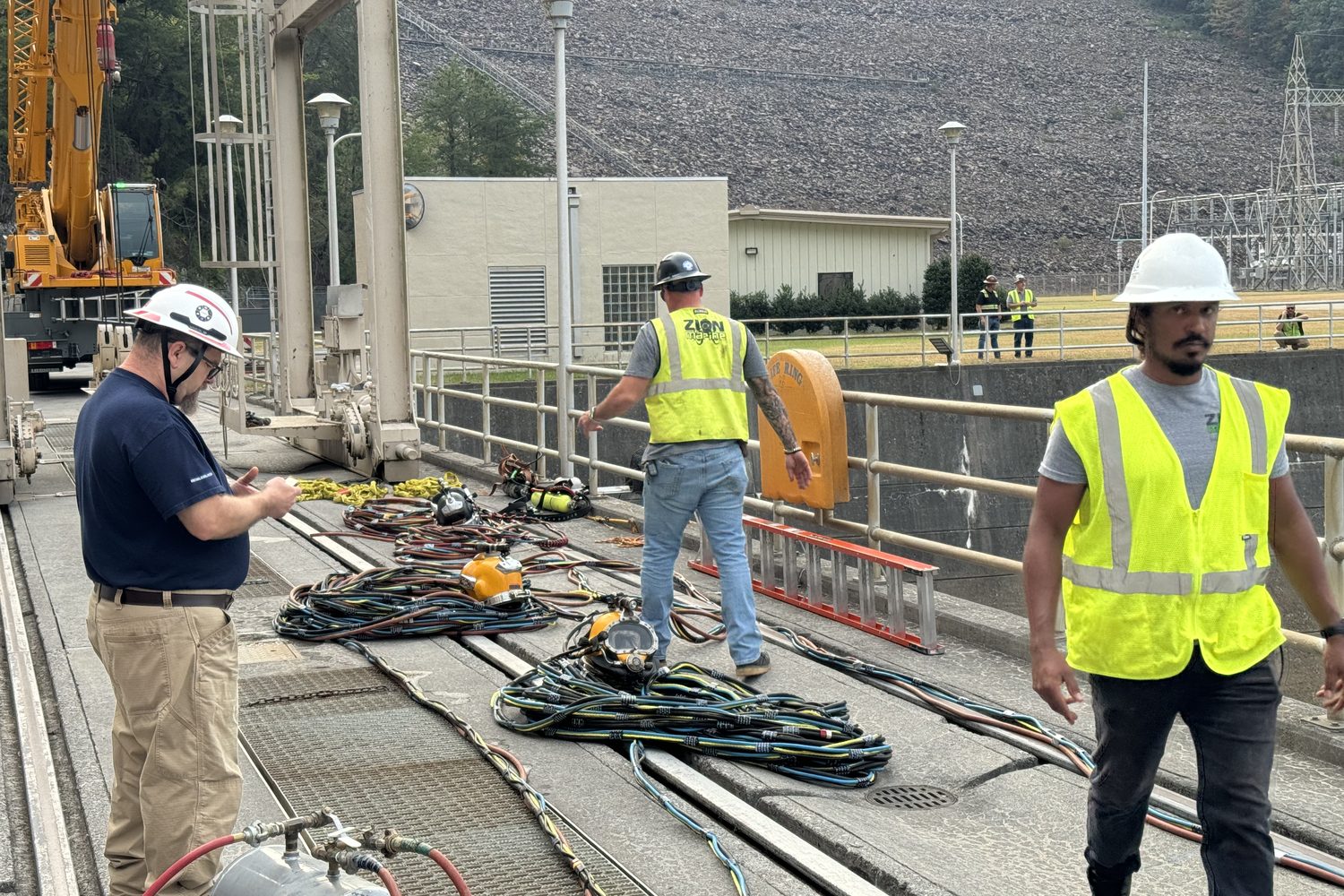
Dive spread with helmets and umbilicals laid out on the deck at the Carters Lake dam.
Dams

Carters Lake Pump Storage Facility Nose Cone Replacement

Owner: U.S. Army Corps of Engineers · Georgia

Nose cone replacement at the U.S. Army Corps of Engineers Carters Lake pump storage facility in Georgia.

DamsUSACEFederal

Licensed general and marine contractor. ADCI-certified divers and supervisors. TRIR 0.0 as of 2026, EMR 0.83 as of 2026. Full credentials on the Qualifications page.

Continuity of service

Sediment is often part of the problem.

Blocked intakes and restricted gates are frequently complicated by sediment accumulation. Zion Marine pairs gate and intake work with targeted dredging to restore full flow capacity.

What that can include
  • Forebay and intake dredging
  • Sediment removal around structures
  • Debris clearance
  • Capacity restoration
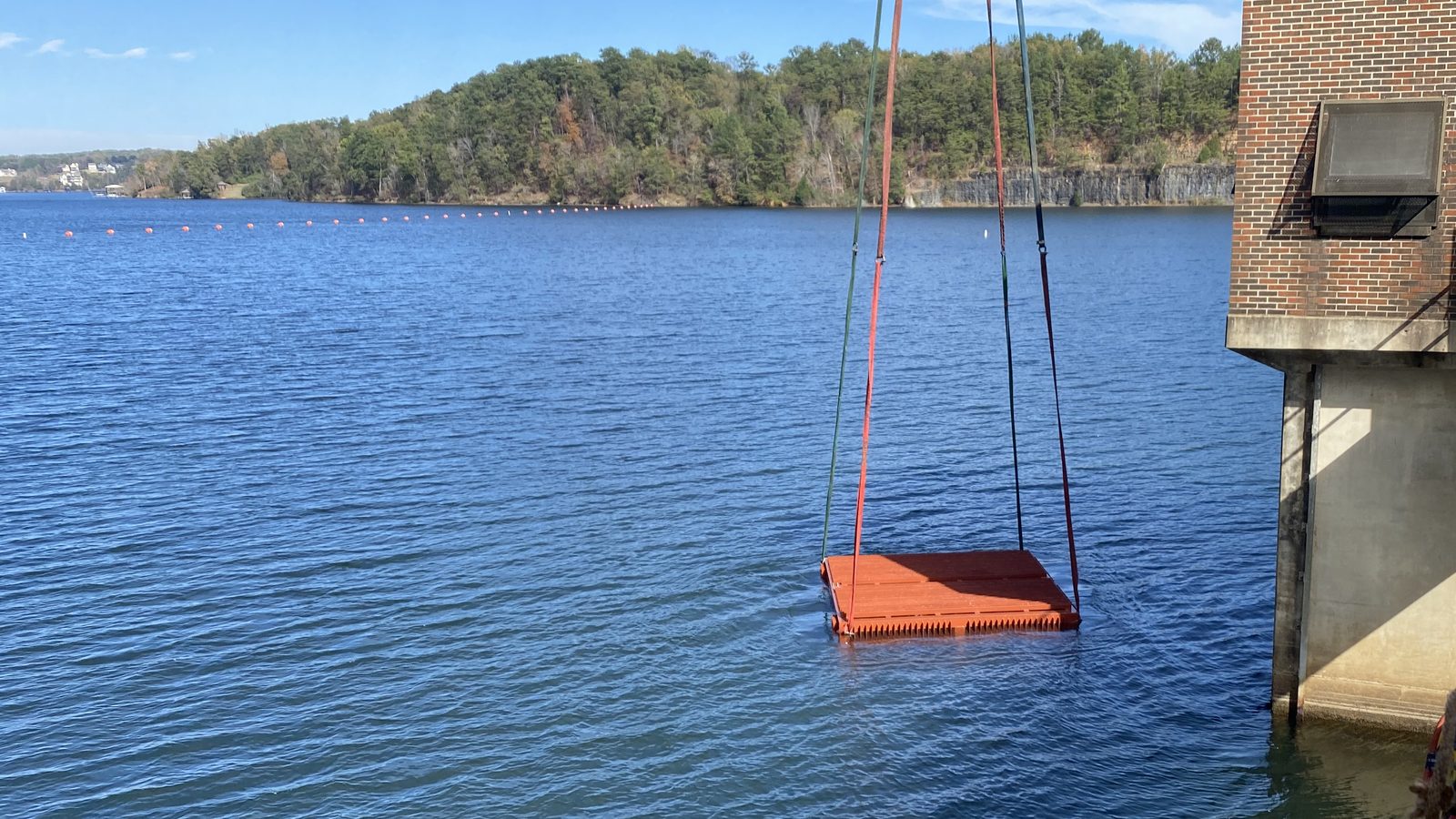
Intake rack lowered into a lake by crane.
Tell us about the structure and the condition

Have a gate, intake or flow control issue?

Tell us about the structure and the symptom. We'll help determine the right inspection or repair scope.