How to Determine the Right Dredging Method
Reviewed by Joseph Templeton, President, Zion Marine · Last reviewed October 2026
Hydraulic, mechanical and diver-assisted options, and what governs the choice.
There is no universal dredging method
Dredging method selection is a fit problem: the method must match the material, the volume, the access, the discharge arrangement and the constraints around the work. A method that is efficient in an open marina basin can be useless inside a treatment plant forebay. Start from the site, not from the equipment.
The main method families
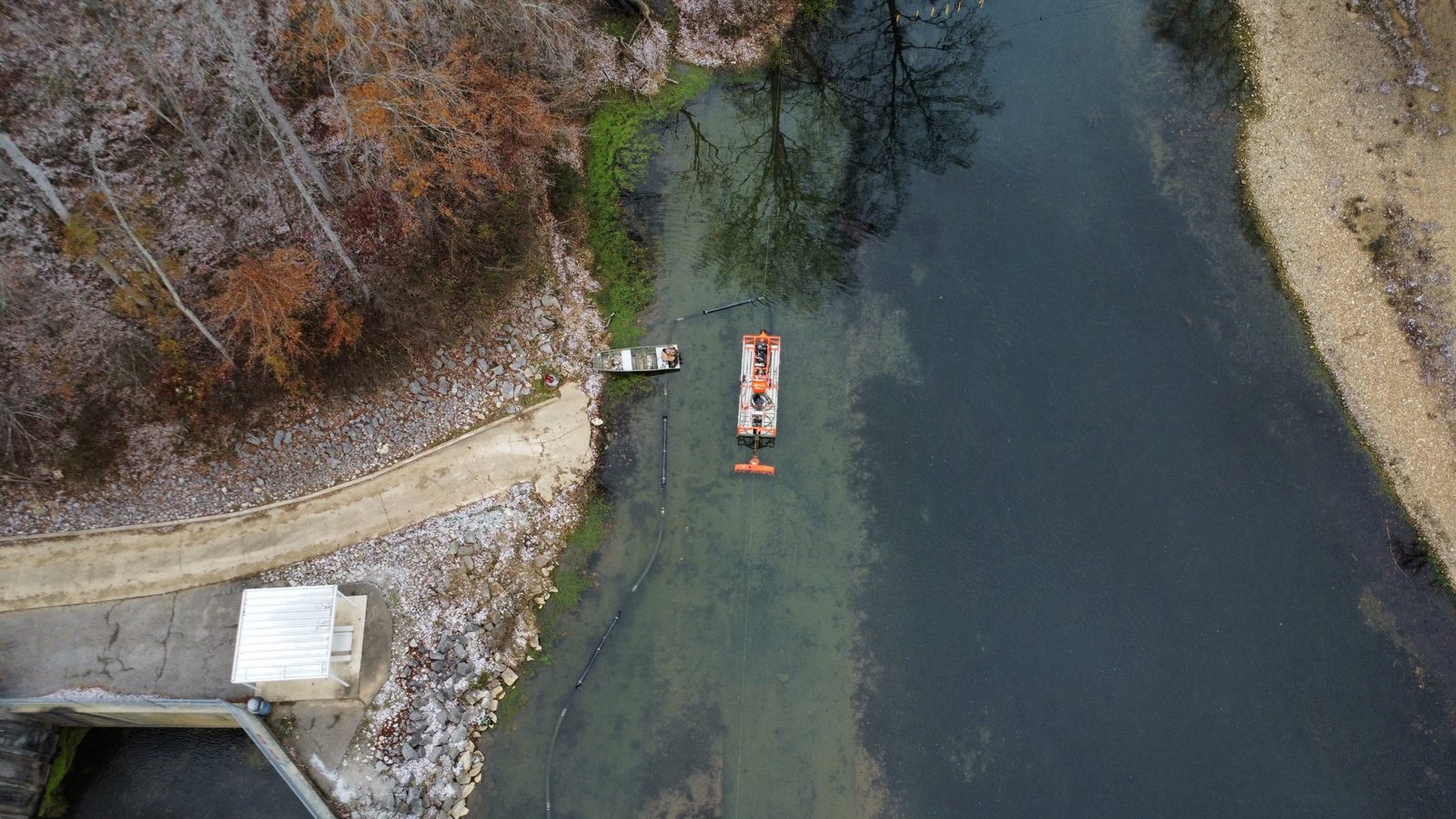
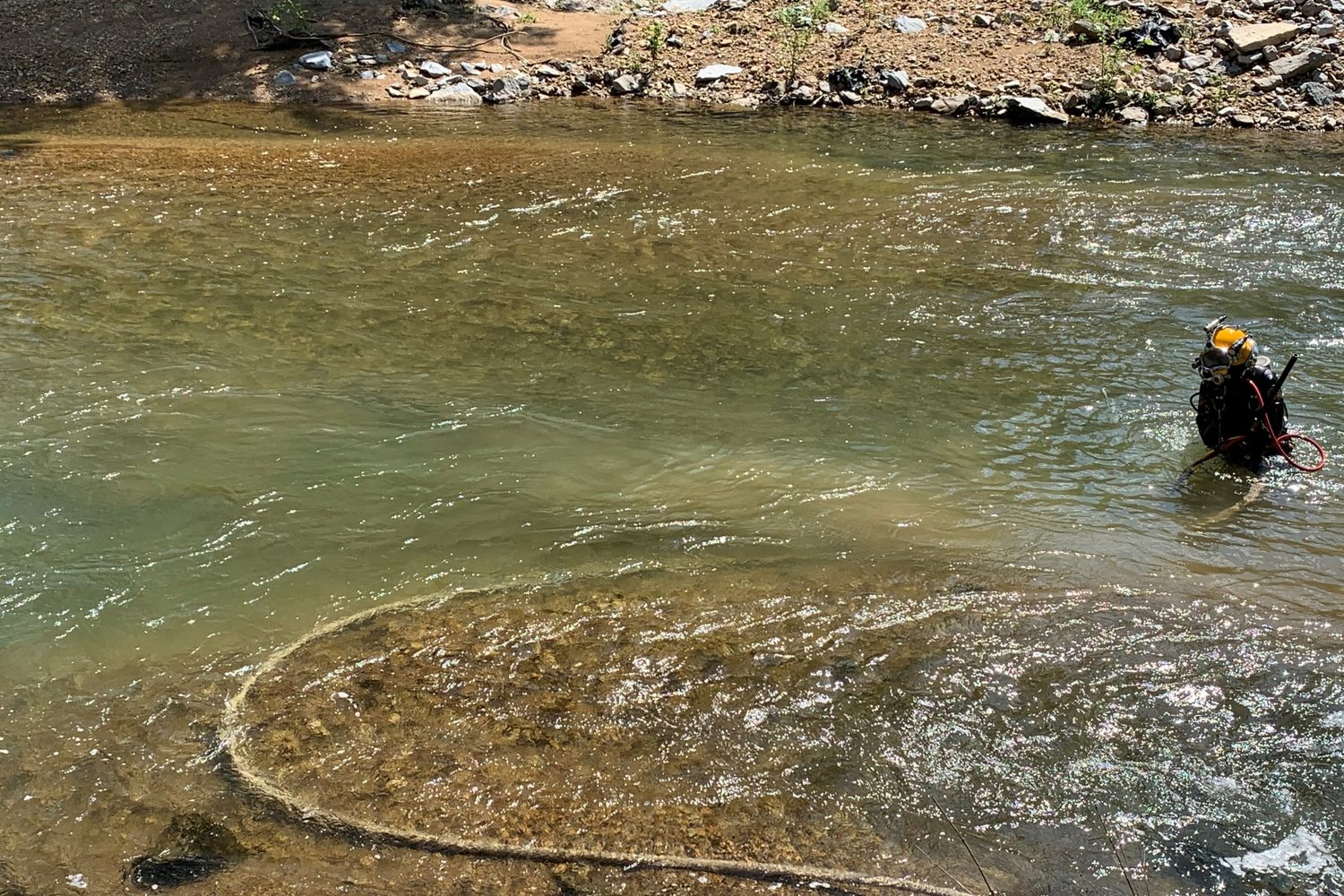
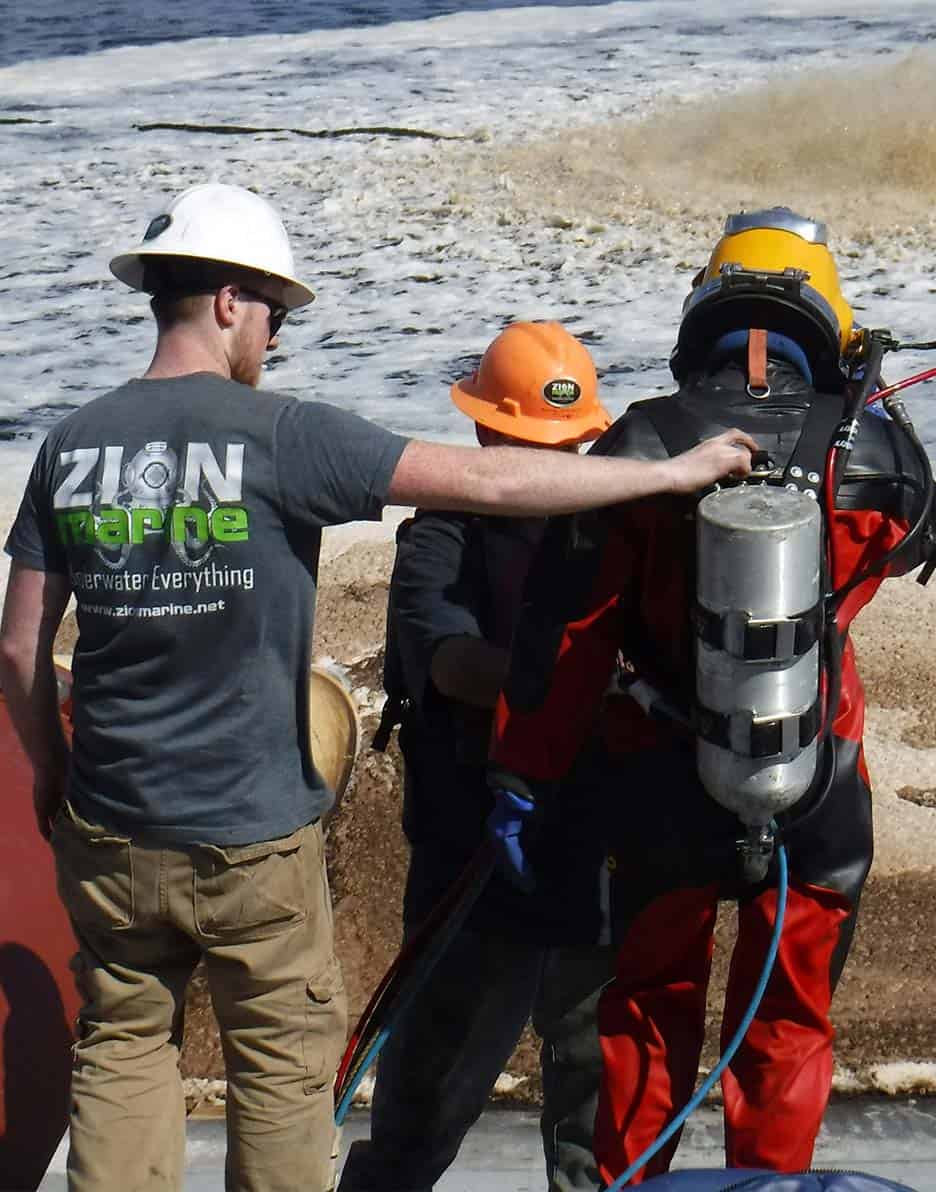
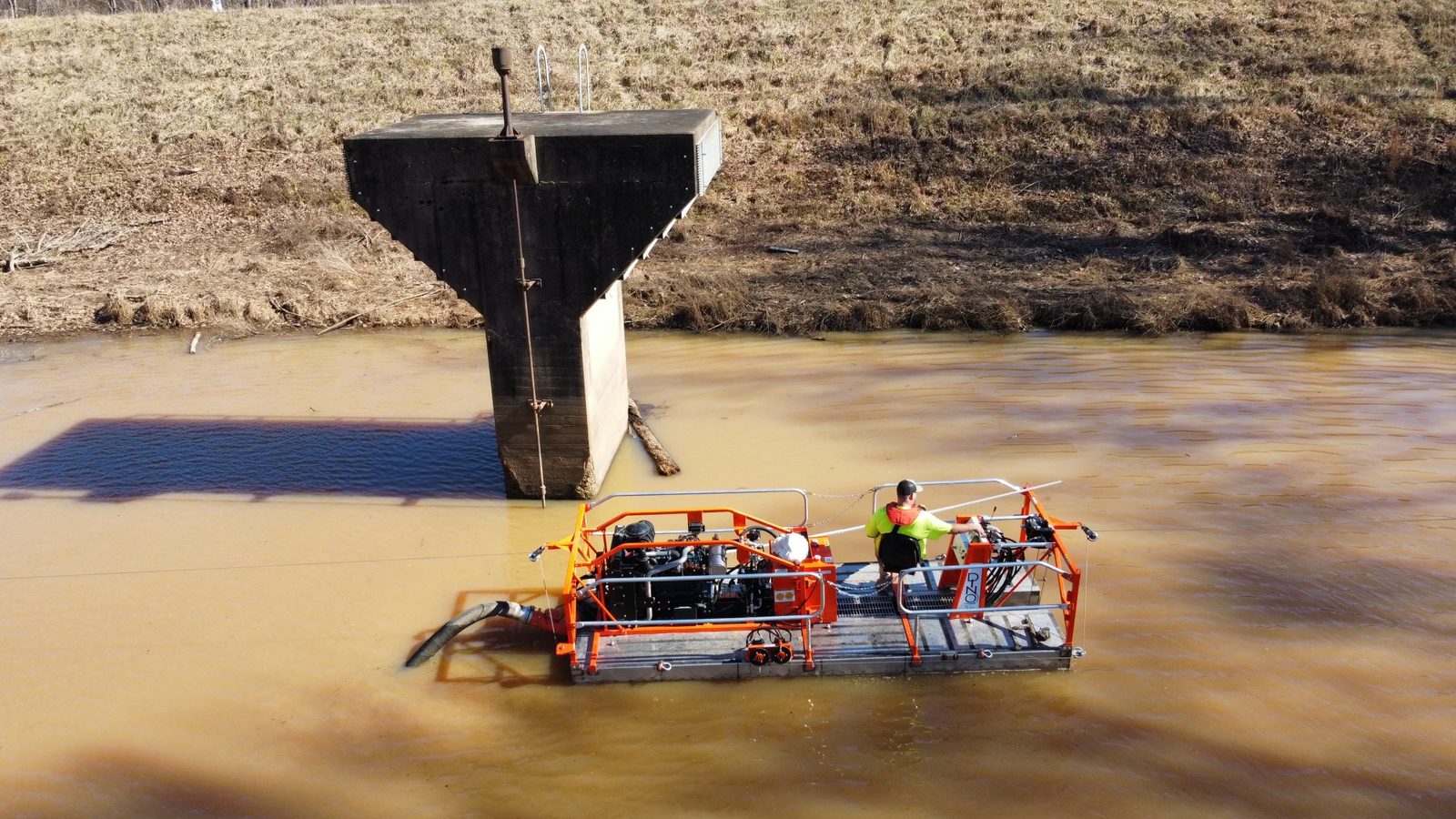
Hydraulic dredging uses a pump and pipeline to move material as a slurry, efficient for larger volumes with a workable discharge route. Mechanical dredging uses buckets or grabs to physically excavate, suited to heavy material and situations where dewatering at the source matters. Diver-assisted dredging puts a commercial diver in control of removal with suction equipment, the right choice in confined areas and around components that cannot be damaged.
- Hydraulic: high volume, long discharge runs, softer sediments
- Mechanical: heavy or debris-laden material, controlled placement
- Diver-assisted: confined access, precision, proximity to structures
- Portable systems: small volumes, difficult access, remote sites
The site factors that decide it
Material type and consolidation govern whether the material moves as slurry or has to be cut. Volume determines whether mobilizing larger equipment is justified. Access, barge, shore, deck or confined interior, limits equipment size. Discharge distance and dewatering capacity constrain hydraulic methods. And proximity to intakes, screens, gates and damaged concrete pushes the choice toward diver control.
Estimating: why honest answers are vague
Owners reasonably want a production estimate. Responsible answers are ranges, because production varies with material, debris content, weather, discharge handling and operational constraints. A contractor who quotes a firm production rate before seeing the material and the site is guessing. Expect the estimate to firm up after site information, and ideally a sediment assessment, is available.
Estimating sediment volume before dredging
Sediment volume is usually mapped before removal, by depth measurements across the basin, or by sonar survey where conditions allow. A volume map supports realistic budgeting, method selection and verification that the removal met its target after completion.