
Underwater inspection & documentation.
Underwater condition assessment, video documentation and measurement for infrastructure that cannot be adequately evaluated from the surface, delivered as a record owners and engineers can act on.
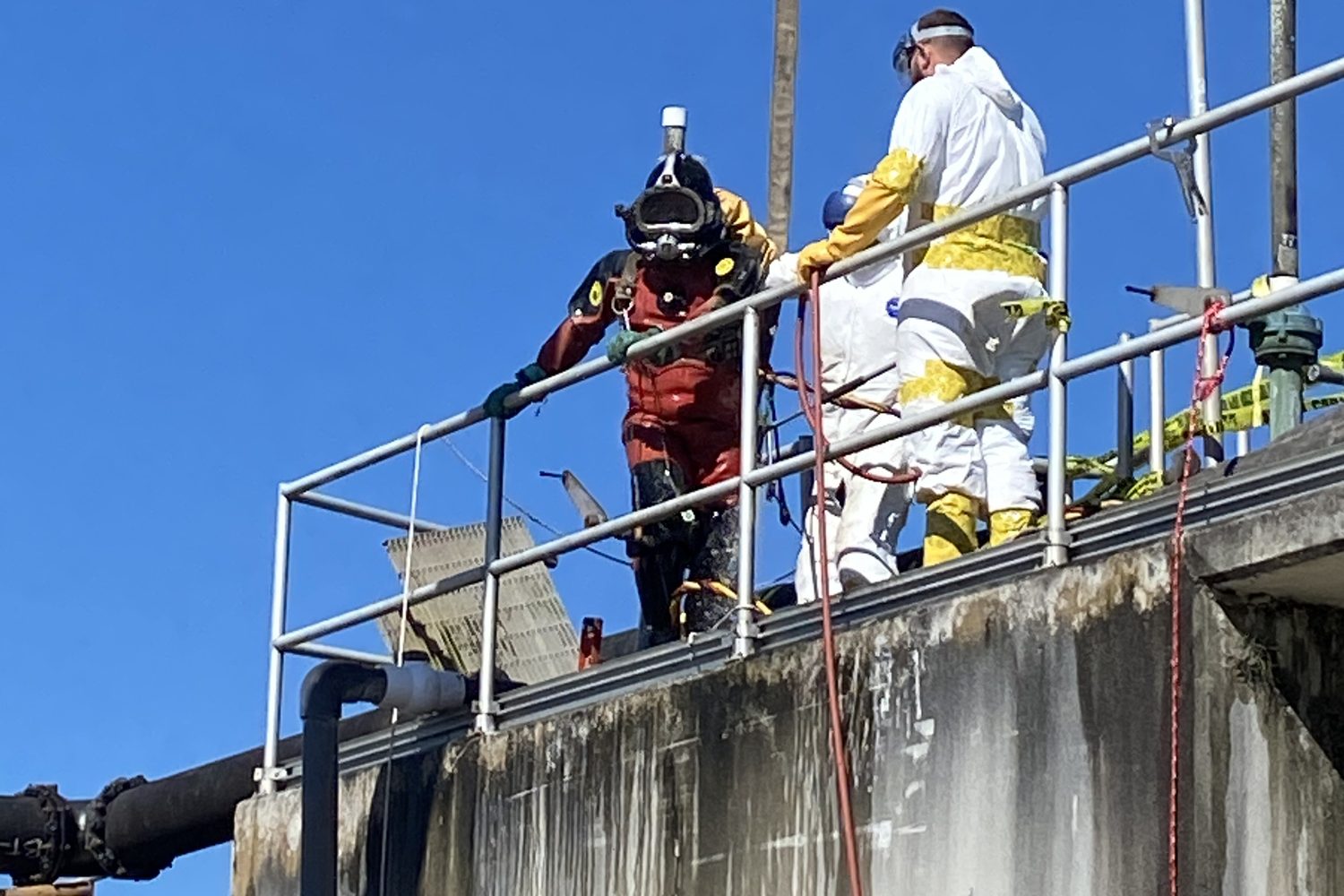
You can't manage what you can't see.
Submerged infrastructure can deteriorate, become obstructed or sustain damage without any obvious indication at the surface. Zion Marine provides the access, visual documentation and measurements that let owners understand actual field conditions, before they commit to a repair, a shutdown or a construction contract.
When this capability is needed.
- Unknown submerged conditions
- Suspected structural damage
- Corrosion or concrete deterioration
- Debris or sediment accumulation
- Routine condition assessment
- Regulatory or owner-required inspection
- Planning for repair or construction
- Post-storm inspection
- Post-collision inspection
- Scour concerns
- Verification after construction
Inspection methods.
Depending on the project scope and infrastructure type, inspection methods may include:
- Visual inspection
- Video documentation
- Still photography
- Dimensional measurements
- Damage documentation
- Concrete condition observations
- Pile inspection
- Ultrasonic thickness measurements
- Cathodic protection testing
- Scour observations
- Debris and sediment assessment
- Gate and intake condition assessment
- Narrated video
- Location references
- Measurements
- Observed deficiencies
- Damage mapping
- Inspection notes
- Condition summaries
- Formal inspection reports
- Engineer coordination
Matched to what the owner needs to know.
Underwater inspection is often staged. The level is set by the decision the inspection has to support.
General visual inspection
A broad visual survey of the submerged component, documented on video and still photography, with obvious deficiencies noted and located.
Detailed examination
Focused examination and measurement of identified areas, damage mapping, dimensional checks and material condition observations.
Specialized testing
Specialized testing or more intrusive investigation where required, coordinated with the owner's engineer and the project scope.
From field condition to usable documentation.
A structured path from the initial review to a deliverable the owner or engineer can act on.
Project review
We review the infrastructure, operating conditions, available drawings and the inspection objectives the owner or engineer needs answered.
Dive plan
The dive and inspection approach is developed around access, depth, flow, contamination and other site conditions.
Field inspection
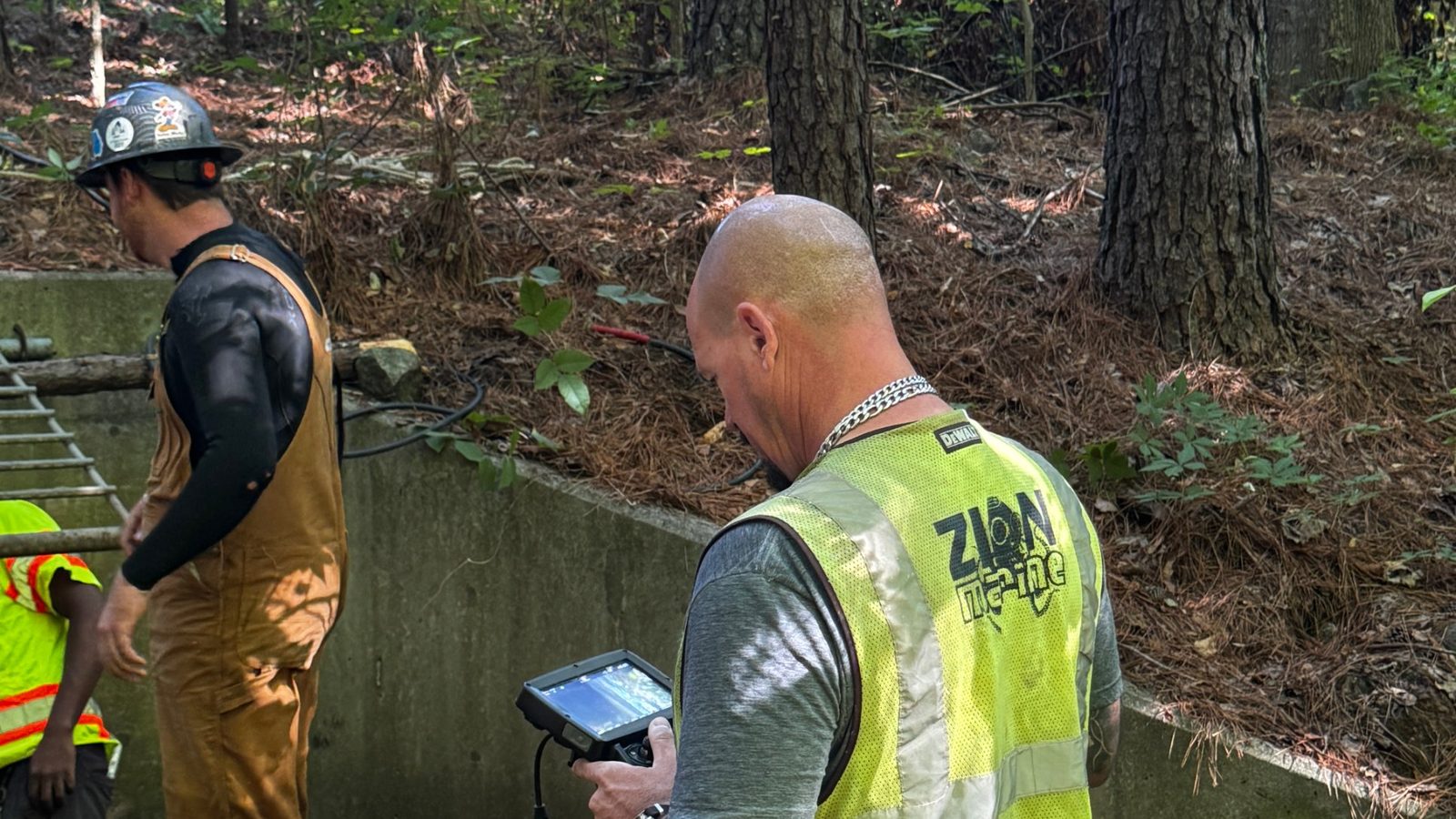
Surface-supplied divers perform the underwater inspection and collect the required video, photography and measurements.
Quality review
Video, photography, measurements and observations are organized and reviewed before anything is delivered.
Deliverable
Documentation appropriate to the project scope is delivered, from field notes to a formal inspection report.
Infrastructure and markets this capability serves.
Screens, trash racks and approach structures.
Discharge structures and diffusers.
Gates, outlets and upstream faces.
Piers, footings and substructure.
Condition, scour and encasement checks.
Walls, wharves and marine structures.
Submerged lines, siphons and crossings.
Reservoirs, clearwells and wet wells.
Method follows the conditions.
Inspection methodology changes with the environment. Depth, visibility, current, confined access, contamination and structure geometry all affect how the work is planned and performed. Every project is evaluated individually to determine the appropriate method, equipment, crew and operating limitations.
- Depth
- Visibility
- Current and flow
- Confined access
- Contamination
- Temperature
- Structure geometry
- Access restrictions
- Operational plant conditions
- Surface support requirements
Infrastructure work is performed with surface-supplied diving: umbilical gas, voice communication, topside supervision and a standby diver. Why that matters →
Licensed general and marine contractor. ADCI-certified divers and supervisors. TRIR 0.0 as of 2026, EMR 0.83 as of 2026. Full credentials on the Qualifications page.
Guides on this capability.
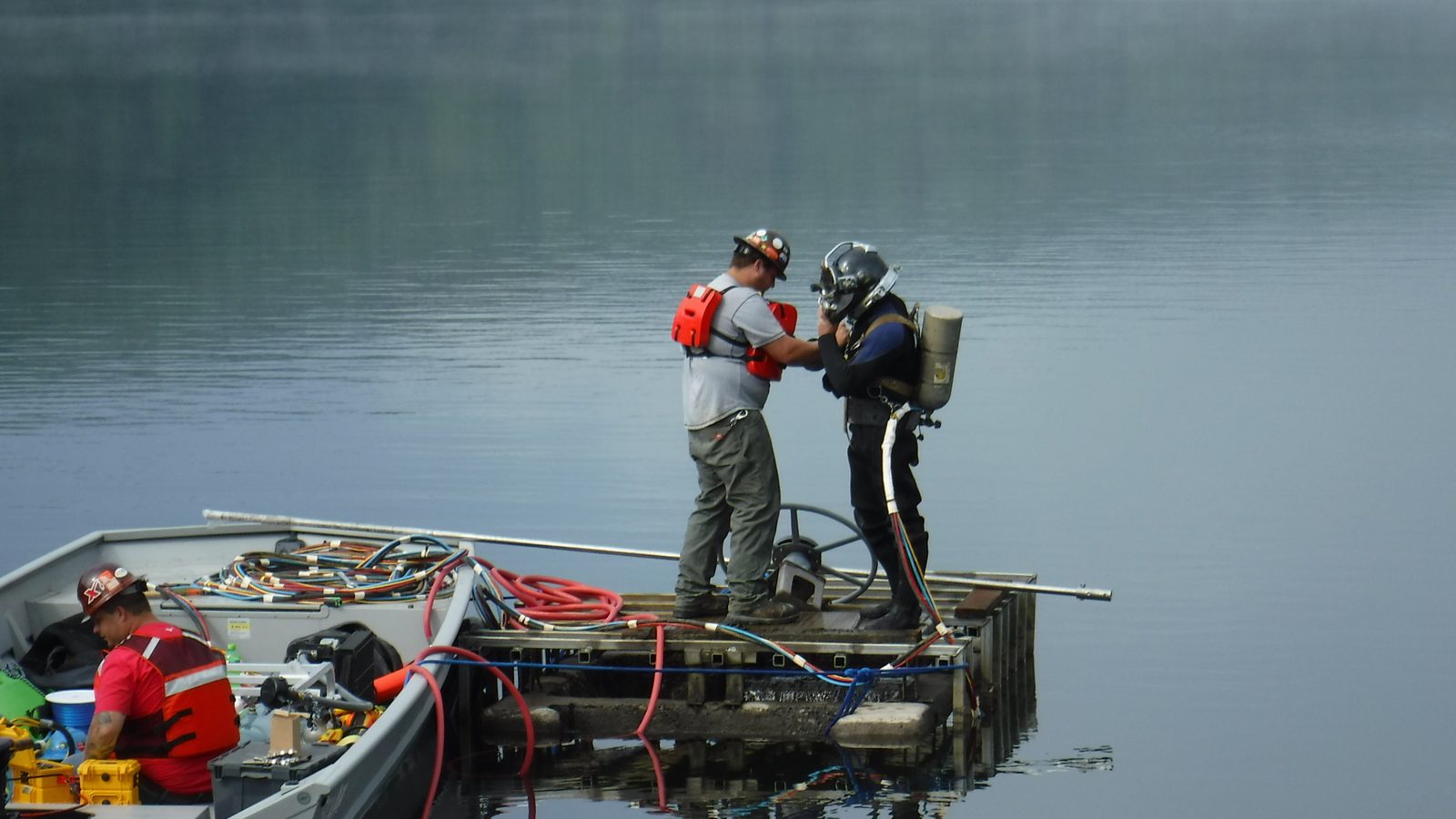
Planning an Underwater Infrastructure Inspection
What to gather before scoping a dive inspection at a treatment facility, dam or bridge.
Read article →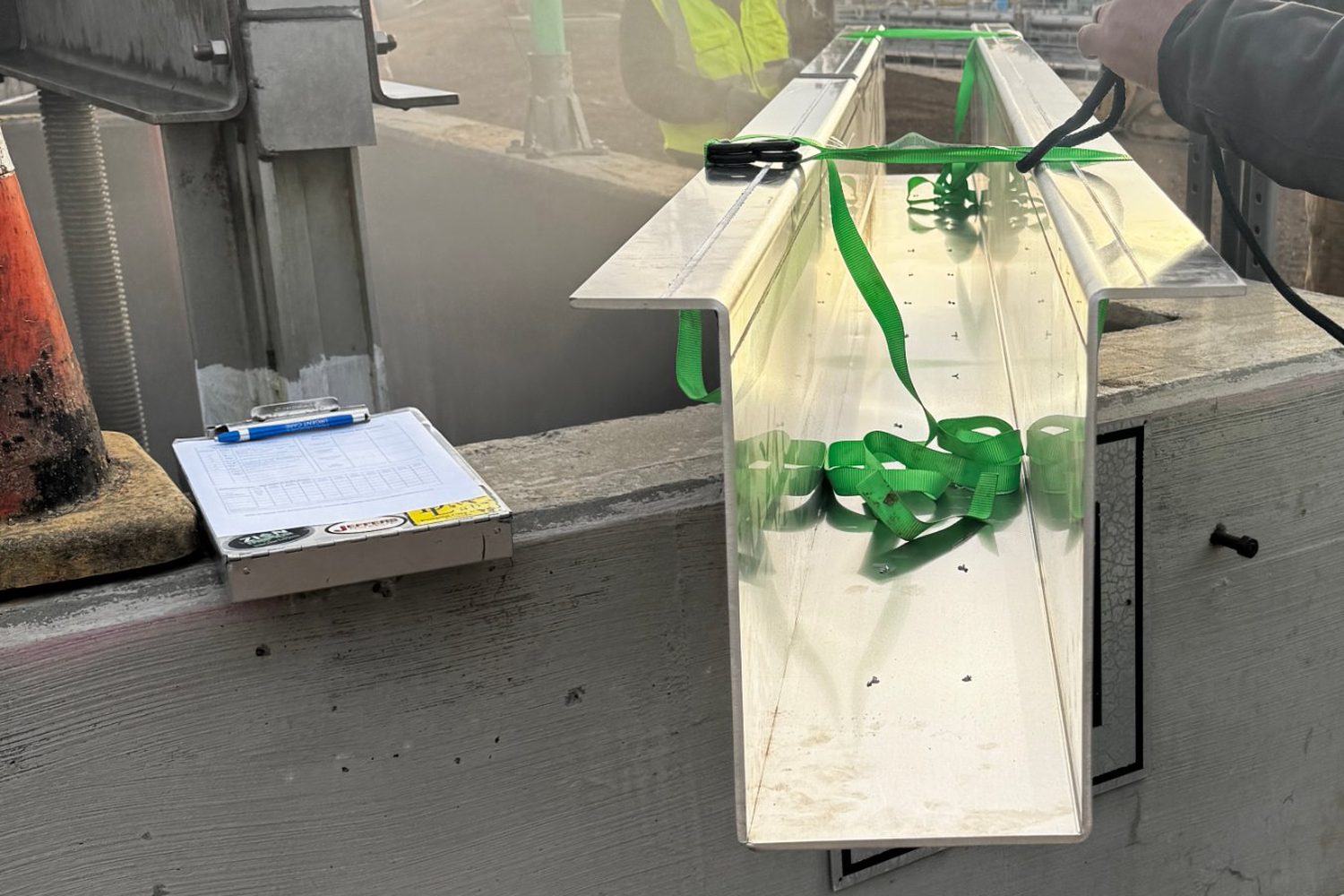
Reading a Commercial Dive Inspection Report
What the video, measurements and observations in a dive report actually tell you.
Read article →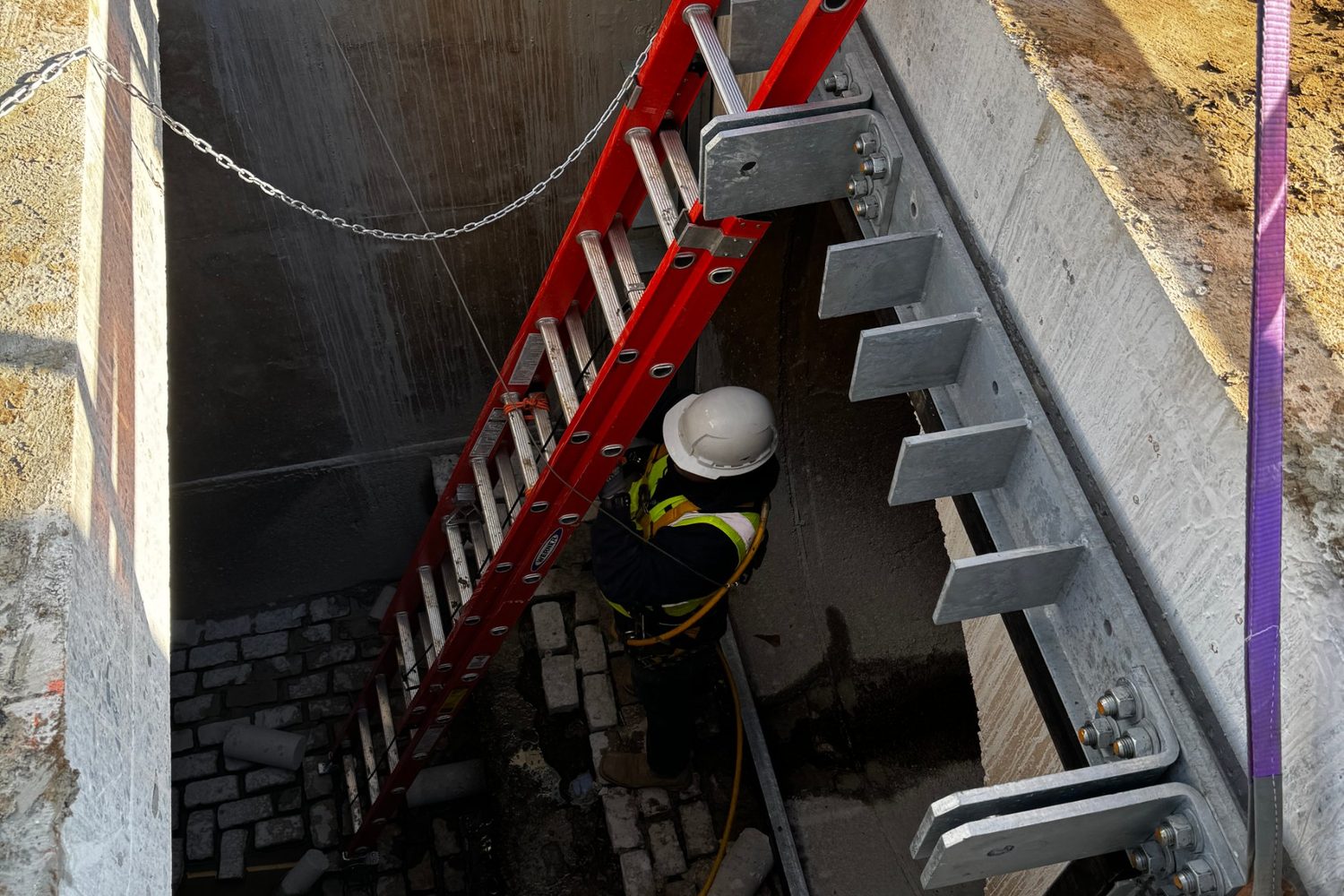
Planning Intake Inspection & Maintenance
Coordination, access and operational considerations before inspecting an intake.
Read article →Inspection is often the first step.
Once a condition is understood, the next phase may include repair, cleaning, debris removal, dredging, gate work, concrete repair, pile repair, installation or construction. Zion Marine can often move directly from condition assessment into execution.
- Repair
- Cleaning
- Debris removal
- Dredging
- Gate work
- Concrete repair
- Pile repair
- Installation
- Construction
- Additional testing
Need a documented underwater inspection?
Tell us about the structure and the condition. We'll help determine the right inspection scope and deliverables.