What Information Is Needed to Estimate an Underwater Project?
Reviewed by Joseph Templeton, President, Zion Marine · Last reviewed October 2026
The site, condition and scope information that produces a usable estimate.
Estimates are only as good as the information behind them
Underwater project estimates carry unavoidable uncertainty: the estimator is pricing work that cannot be directly seen. The more accurate the information provided, the more accurate the estimate, and the fewer change orders later. Owners who invest an hour in assembling the right information get materially better numbers.
The core information set
Almost every underwater estimate begins with the same set of questions.
- The structure type and its age, with drawings if available
- The condition or problem, in the owner's own words
- Water depth, typical level and seasonal variation
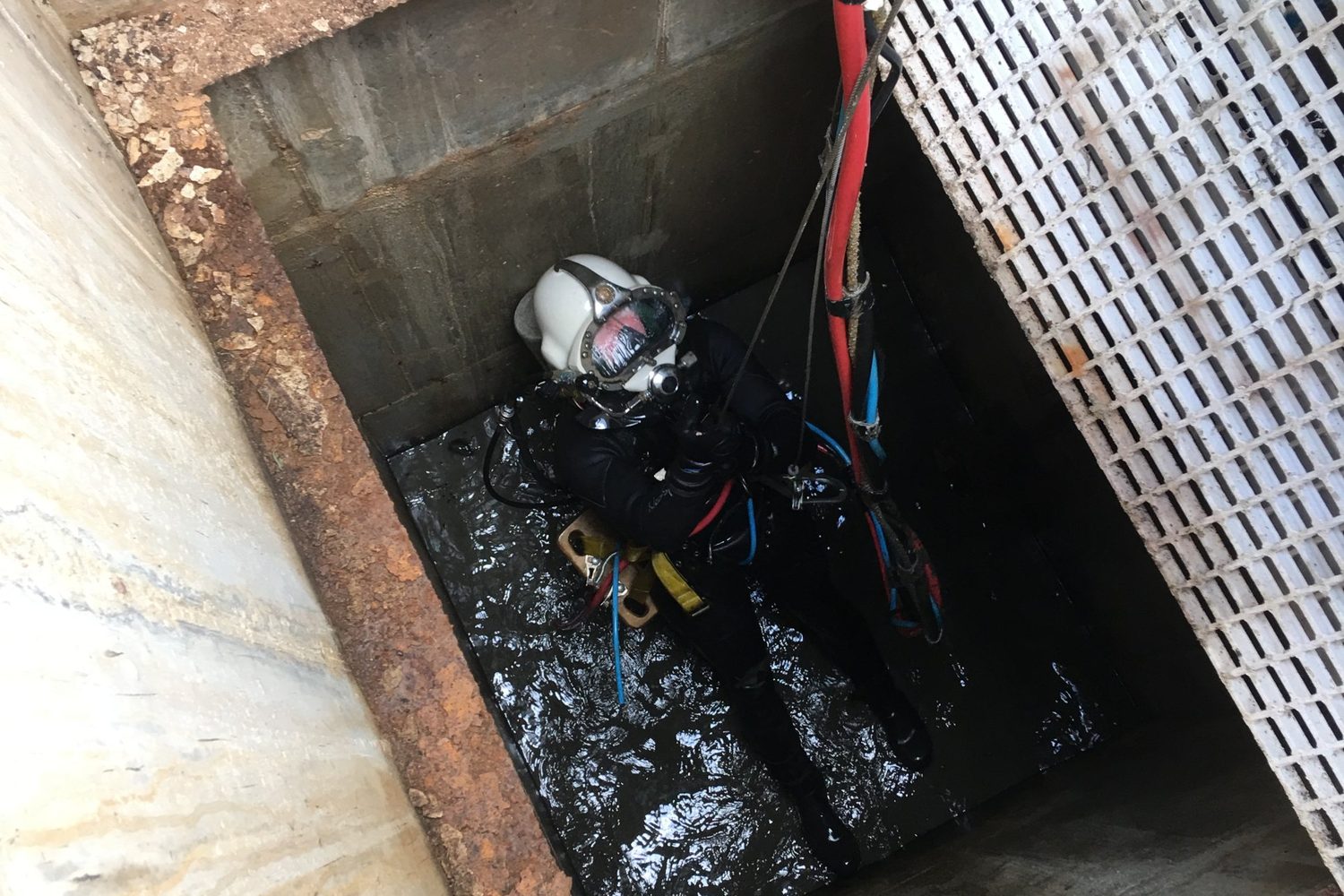
- Access to the work area, physical access, staging space, power
- Water environment: potable, wastewater, stormwater, process water
- Operational constraints: what must keep running, what can be isolated
- Any prior inspection reports, video or photographs
- The desired outcome: inspection, cleaning, repair, sediment removal
Drawings change estimate quality
Drawings, plans, sections, as-builts, even old maintenance sketches, are disproportionately valuable. They let the contractor plan access, estimate quantities and anticipate hazards instead of padding the estimate for unknowns. If drawings do not exist, photographs and a site walk partially substitute.
Why scope definitions move price
The largest cost driver on many projects is not the work itself but the mobilization and the unknowns. A tightly defined scope, specific components, specific deliverables, defined access, prices accurately. A vague scope prices conservatively, because the contractor must cover what might be found. Defining the decision the work supports is the cheapest way to reduce the estimate.
When a site visit is worth it
For anything beyond a simple inspection, a site visit before final pricing usually pays for itself: access gets verified, conditions get seen, and the operational conversation happens with the people who run the facility. Many estimates start as ranges and firm up after the visit, that is the normal, honest sequence.