Inspection Before Underwater Repair
Reviewed by Joseph Templeton, President, Zion Marine · Last reviewed October 2026
Why repair scoping starts with documented condition, not assumptions.
Repair scope follows condition
Underwater repairs fail most often at the scoping stage, not the execution stage, because the repair was designed around an assumed condition rather than a documented one. A repair planned from a surface guess about what is underwater is a repair planned blind.
What the pre-repair inspection establishes
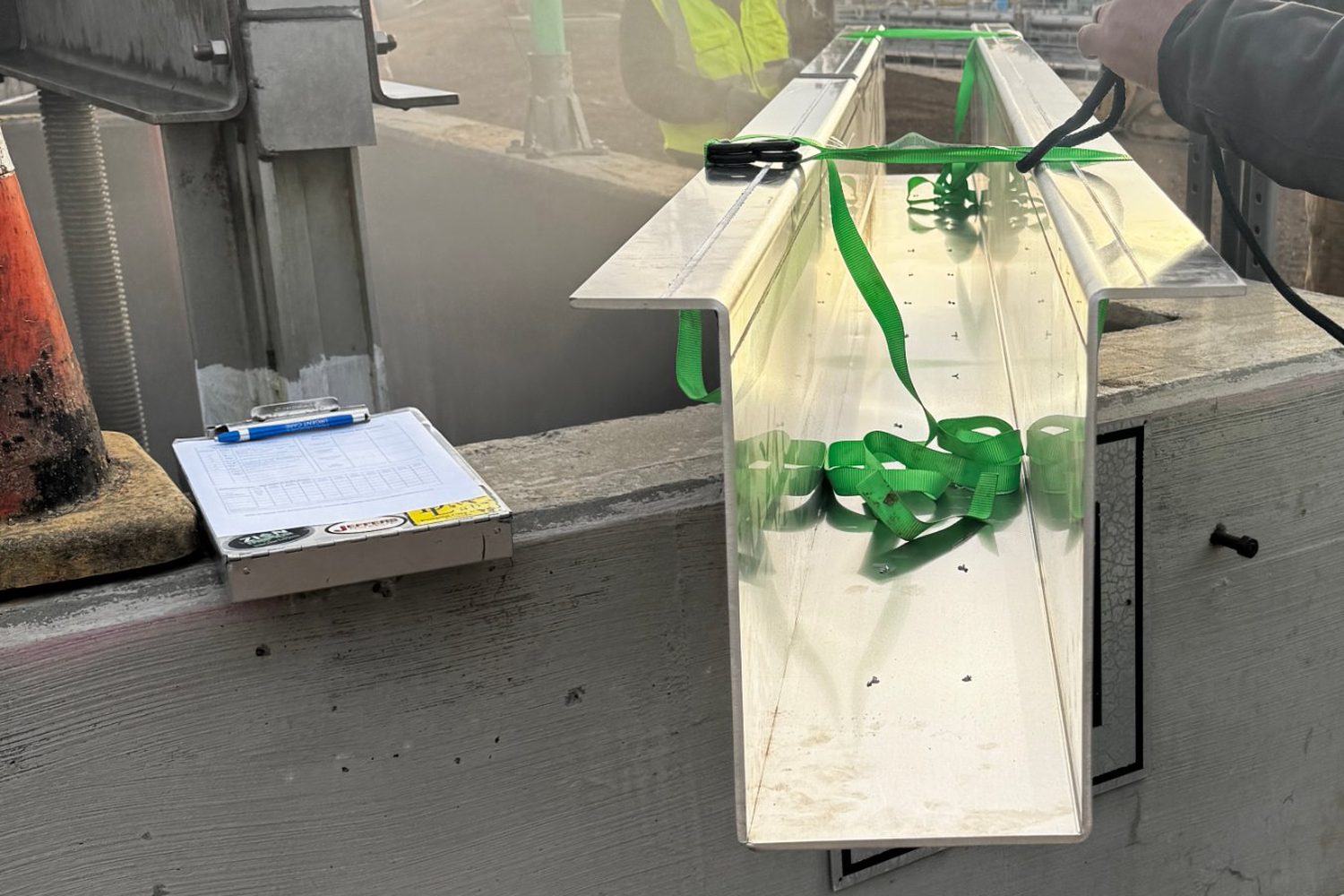
Before repair work is scoped, inspection establishes the actual condition: the geometry of the damage, the material condition around it, the cause where observable, and the access and working conditions the repair crew will face. That documentation is what allows the repair method to be selected intelligently.
- Extent and geometry of damage or deterioration
- Condition of surrounding material the repair will bear on
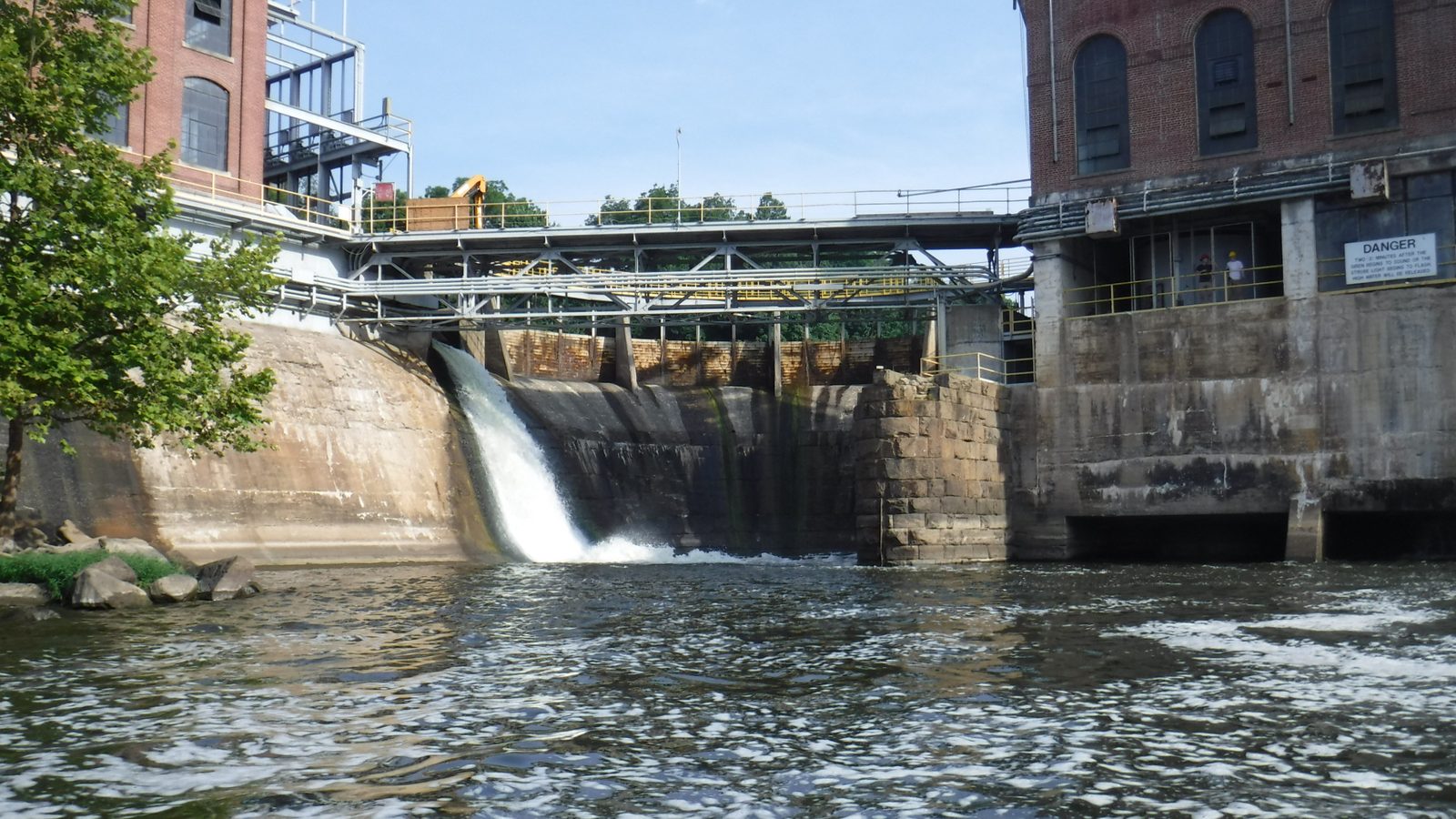
- Access, depth, visibility and flow at the repair location
- Operational constraints during the repair window
- Documentation the engineer or owner needs to approve the approach
Temporary versus permanent repairs
Some conditions call for a temporary repair, stabilizing a component until a planned outage or engineered repair can be scheduled. Others justify permanent repair immediately. The pre-repair inspection is what makes that decision informed rather than reactive. Both categories are legitimate; confusing them is what causes rework.
The continuity advantage
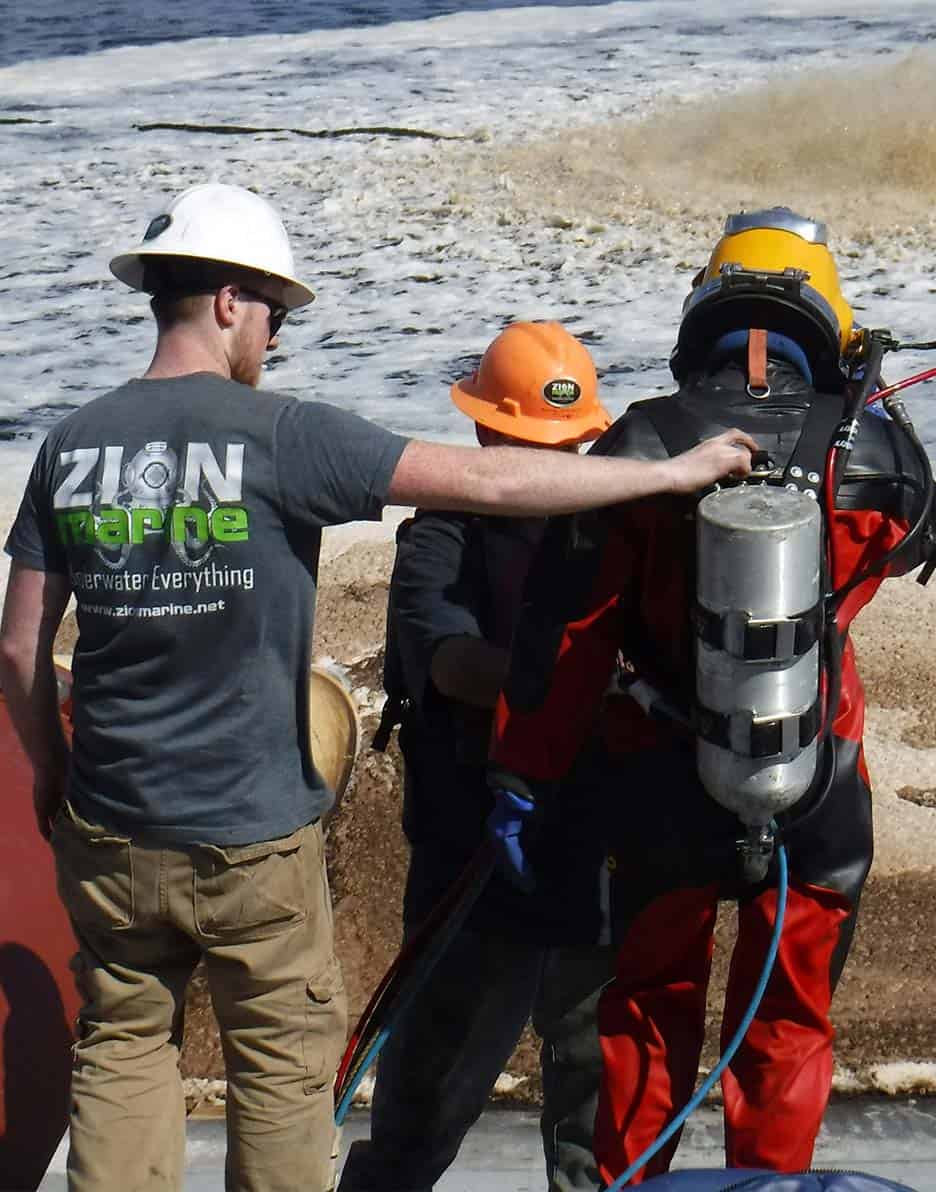
When the team that documents the condition is also capable of executing the repair, the transition is direct: findings translate into a repair plan without a second mobilization or a second learning curve. This is a practical reason owners often prefer contractors who both inspect and repair.