Reading a Commercial Dive Inspection Report
Reviewed by Joseph Templeton, President, Zion Marine · Last reviewed October 2026
What the video, measurements and observations in a dive report actually tell you.
A report is evidence, not narrative
A commercial dive inspection report exists to document what was observed, where it was observed, and what condition it was in at the time of inspection. It is not a design document and usually not a repair specification, though good documentation makes producing both far easier.
The components of a typical report
Depending on the project scope, a report may include some or all of the following. Knowing what each element contributes helps owners evaluate whether the report answers their question.
- Narrative or raw video with location references
- Still photography of observed conditions
- Measurements, dimensions, gaps, section loss, sediment depth
- Condition observations organized by structure component
- Deficiency documentation with severity context
- Sketches or damage mapping where useful
- Summary of access, visibility and conditions during the inspection
Location referencing is everything
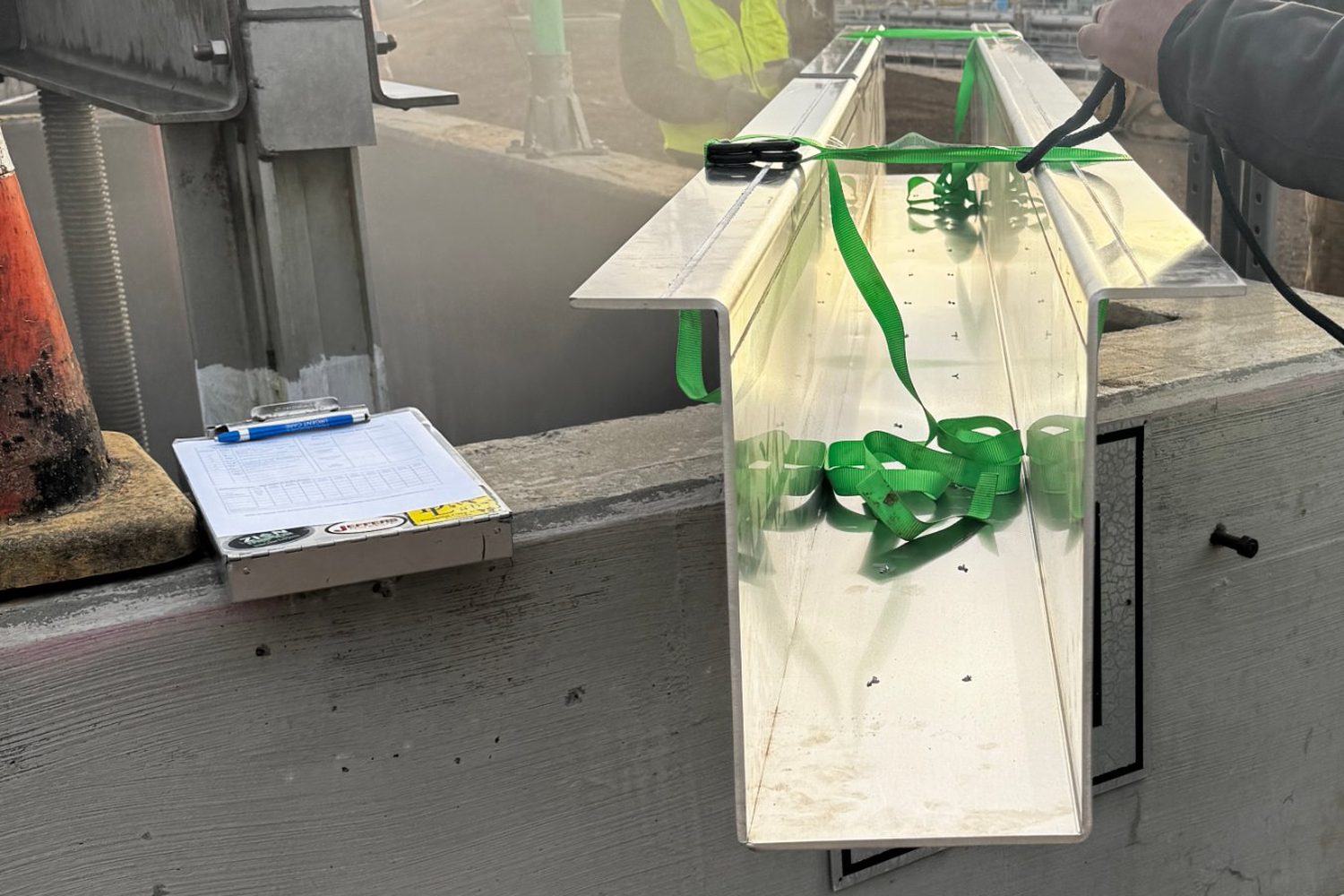
The most common weakness in underwater documentation is not the observation itself, it is the inability to find the same spot again. Good reports tie every observation and image to a location reference: a gate slot, a pile number, a distance from a known structure edge. When reviewing a report, check whether you could send a repair crew to the exact location of each finding.
What a report will not tell you
A dive report documents observed condition. It generally does not certify structural adequacy, assign causes, or prescribe engineering repairs unless an engineer is specifically part of the scope. Where repair decisions follow, the report becomes input to the engineer or owner's decision, and the quality of that input is what matters.
Questions to ask when you receive one
Was the entire structure covered or only identified areas? What were visibility and access limitations? Which observations are new versus consistent with prior reports? And what conditions, flow, level, operations, were present during the inspection that might affect findings?