Working Around Operational Infrastructure
Reviewed by Joseph Templeton, President, Zion Marine · Last reviewed October 2026
Planning underwater work in facilities that must stay in service.
The operational constraint is the project
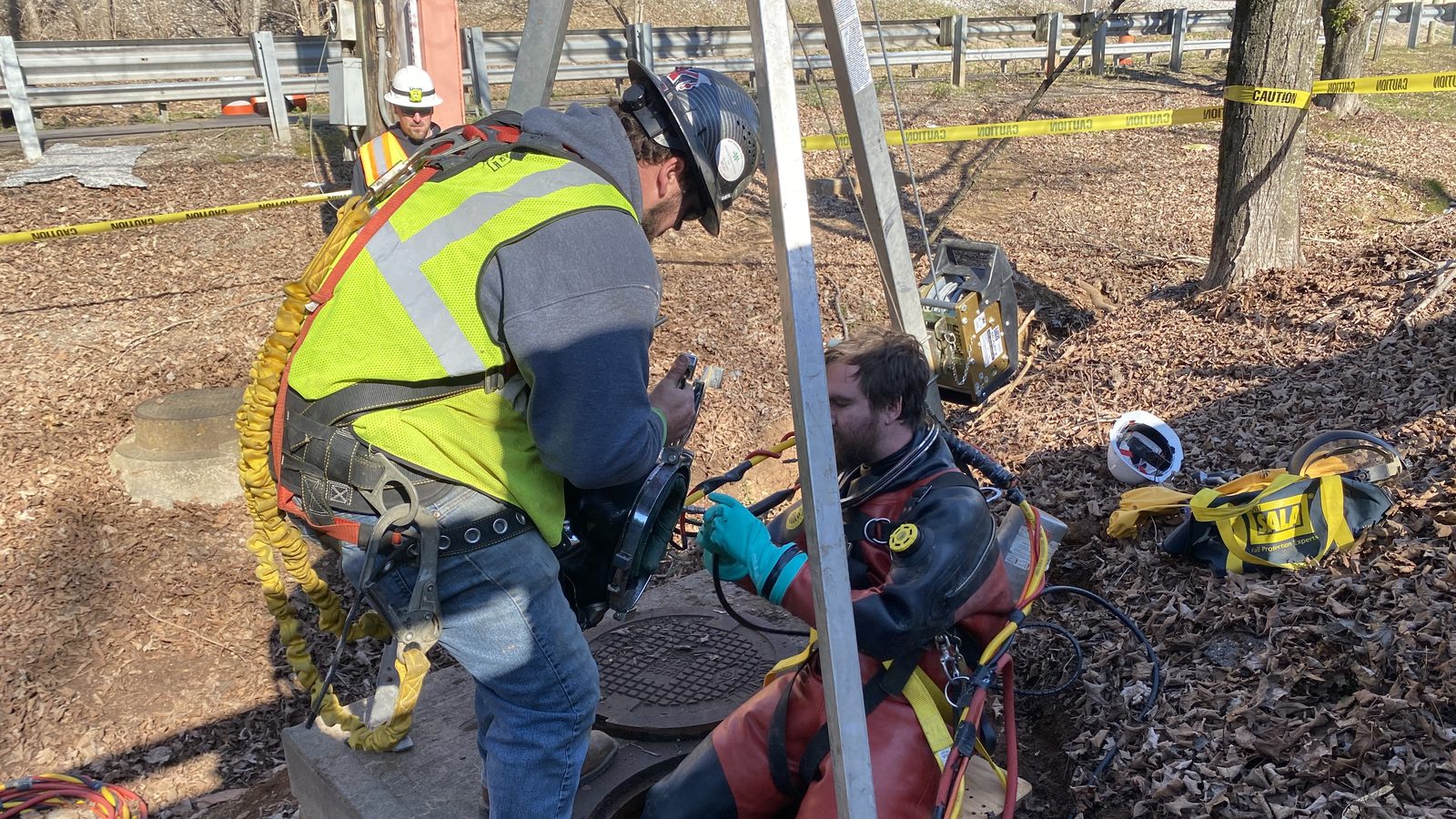
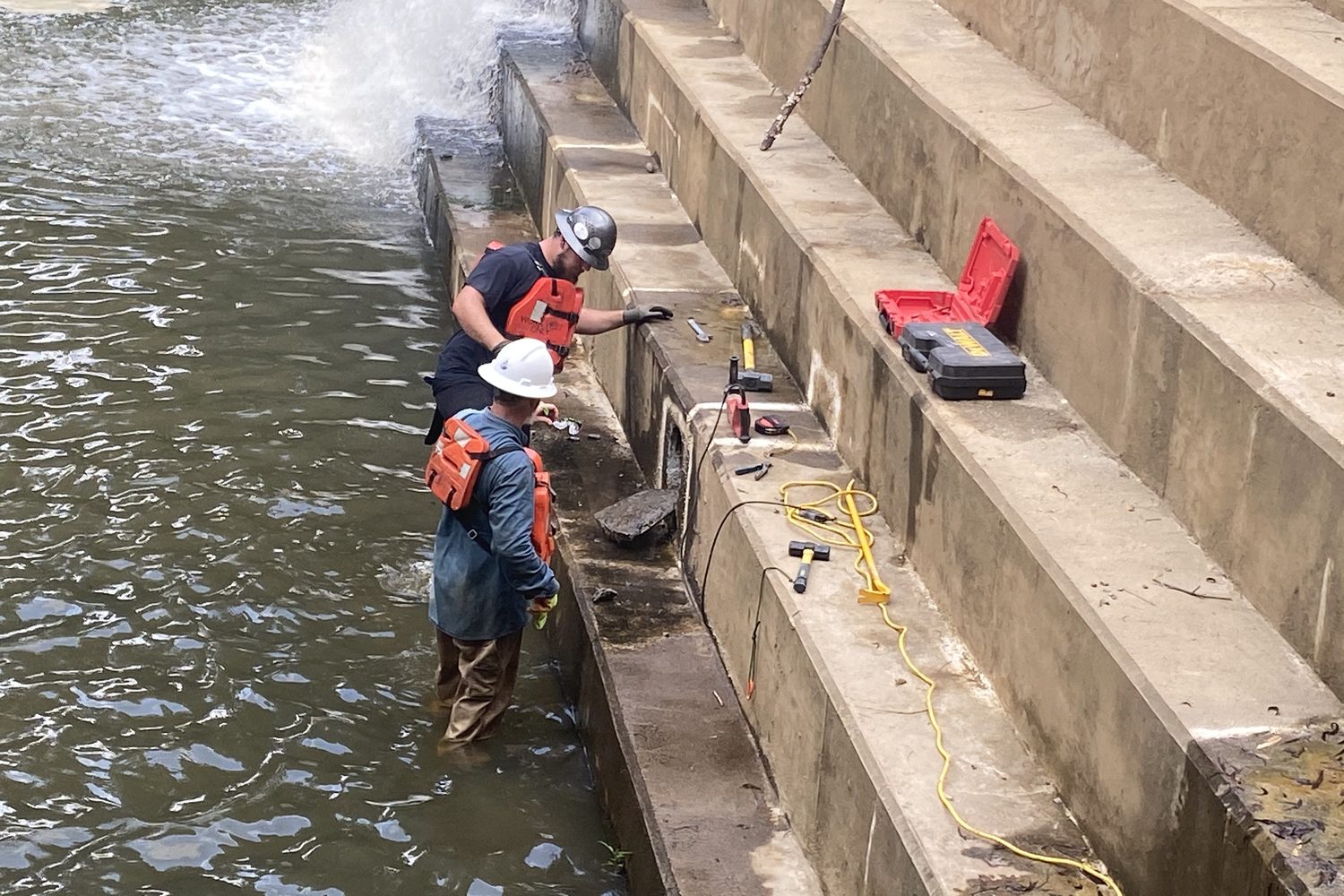
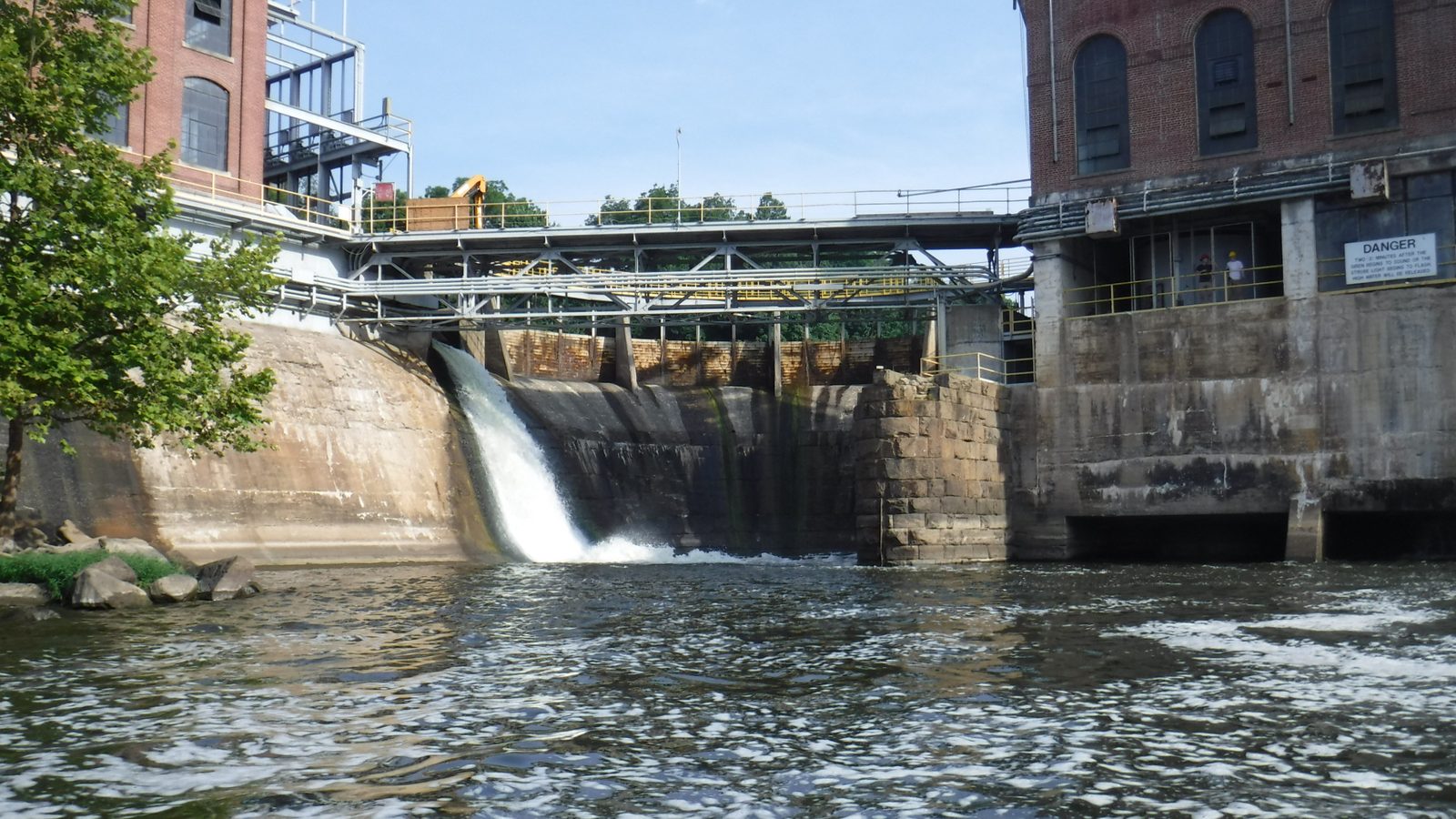
On most infrastructure dive projects, the hardest problem is not the underwater work, it is performing that work inside a facility that must keep operating. Flow that cannot be stopped, processes that cannot be interrupted, and access that exists only through operating plant areas shape every part of the plan.
The planning sequence
Operational work is planned in a consistent sequence: understand the condition, identify what operations must continue, establish what can be isolated or managed, then design the work method around those boundaries. Skipping the sequence is how projects end up improvised at the water's edge.
Coordination during the work
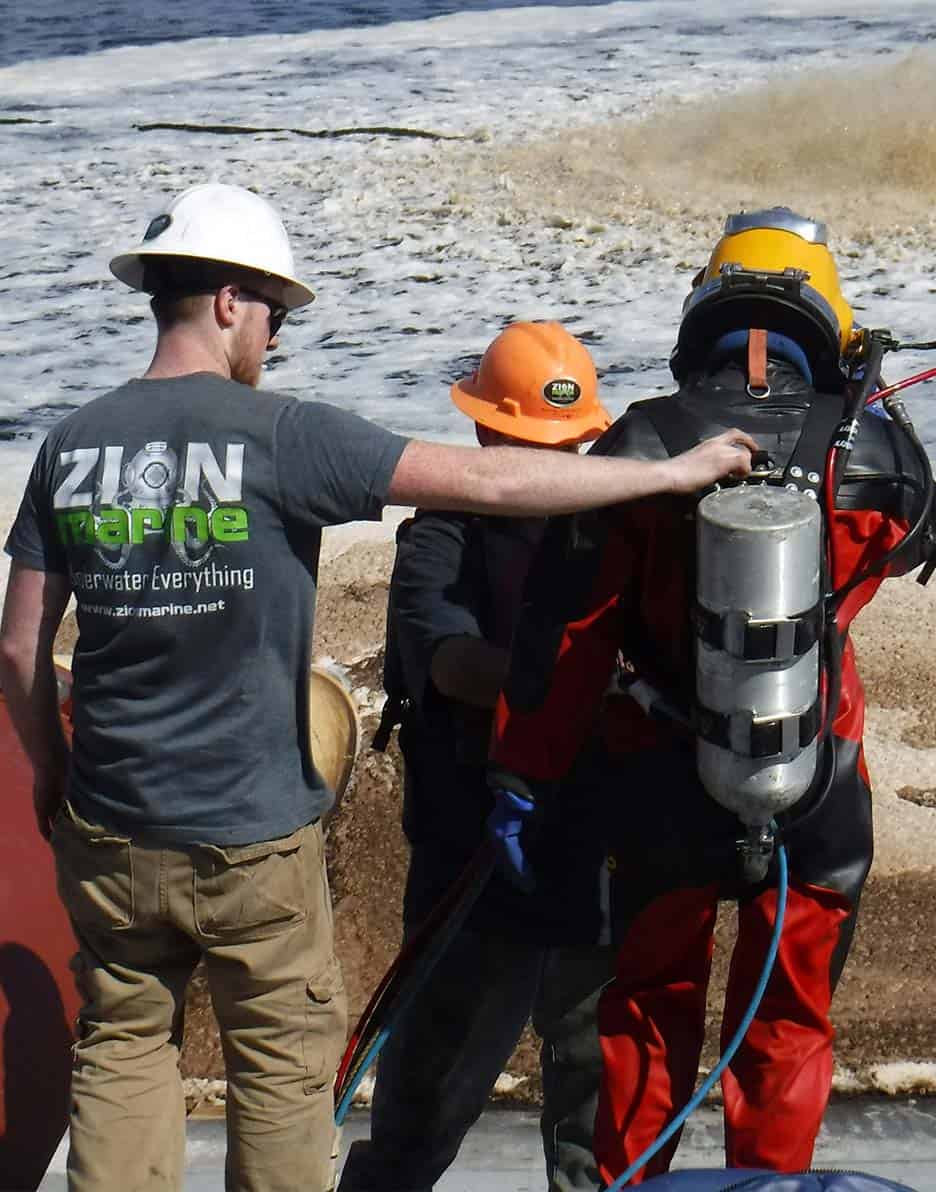
Live-facility work runs on coordination: a facility contact with authority, agreed communication between the dive supervisor and plant operations, and awareness of scheduled plant activities that affect the work area. When those are in place, operational facilities are routine working environments.
- Designated facility contact with decision authority
- Agreed communication protocol between dive station and operations
- Advance notice of plant activities affecting the work area
- Clear boundaries on what operations continue during the work
When isolation is genuinely required
Some work cannot be done safely or correctly in live conditions, and a professional contractor will say so. The right answer then is a planned isolation window, brief, scheduled and coordinated, rather than pressing ahead. Owners should treat a contractor's willingness to require isolation as a credibility signal, not an inconvenience.