Planning an Underwater Infrastructure Inspection
Reviewed by Joseph Templeton, President, Zion Marine · Last reviewed October 2026
What to gather before scoping a dive inspection at a treatment facility, dam or bridge.
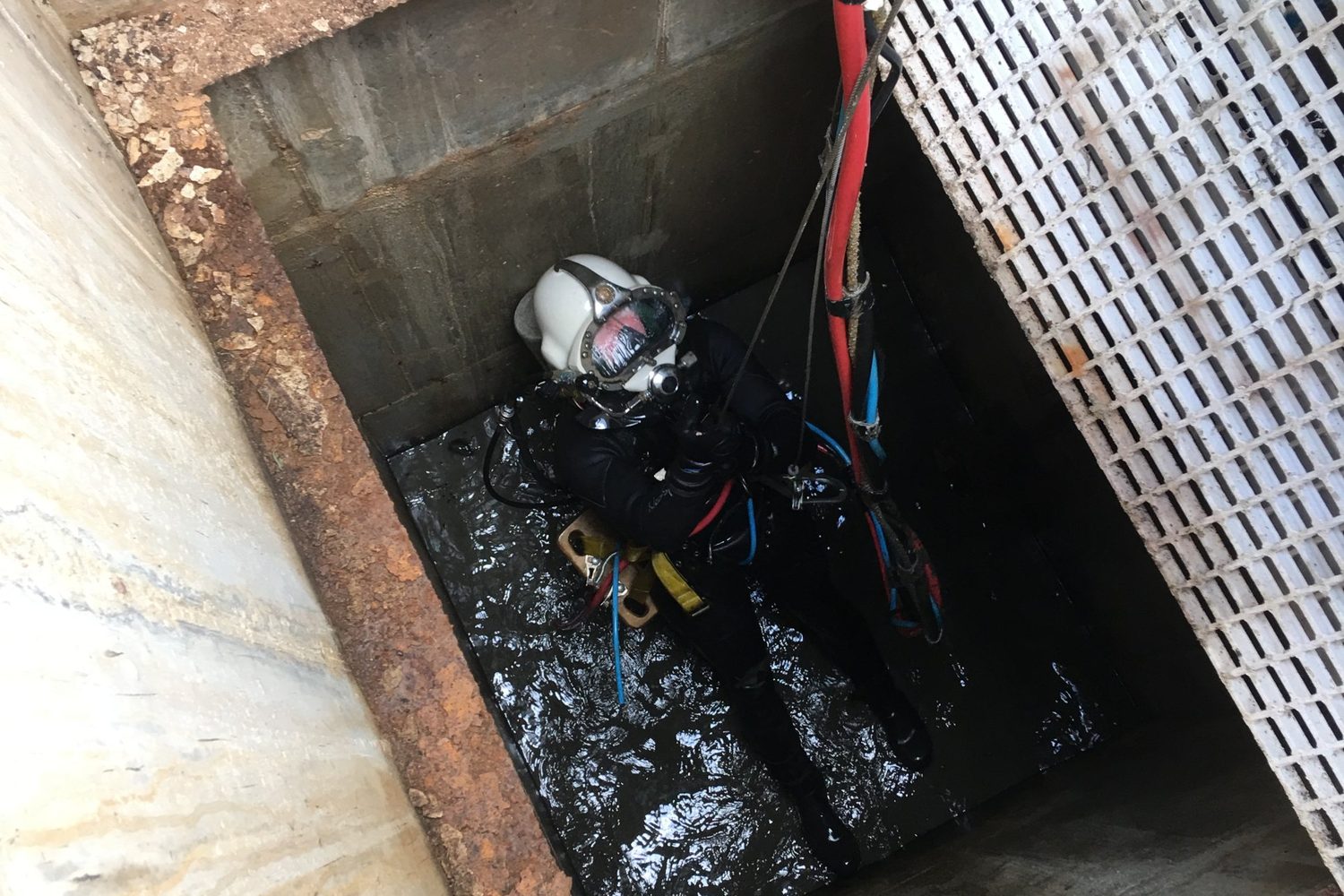
Start with the question you need answered
An underwater inspection is only as useful as the question behind it. "What is the general condition of this structure?" produces one kind of scope. "Why is intake flow restricted?" or "Is this gate safe to operate?" produces another. Before requesting a dive, write down the decisions the inspection needs to support, repair planning, regulatory reporting, capital budgeting, or immediate operational risk.
The answer determines the inspection level, the documentation required, and how much site information the dive team needs in advance.
Information worth gathering before the dive
Most inspection inefficiency comes from missing context, not from conditions underwater. Drawings, prior reports, operating notes and photographs allow the dive team to plan access, anticipate hazards and document findings against known geometry.
- Plan, section and as-built drawings of the structure
- Prior inspection reports or underwater video, if any exist
- Operating notes: typical water level, flow and seasonal variation
- Known problem areas, debris history, past repairs, damage events
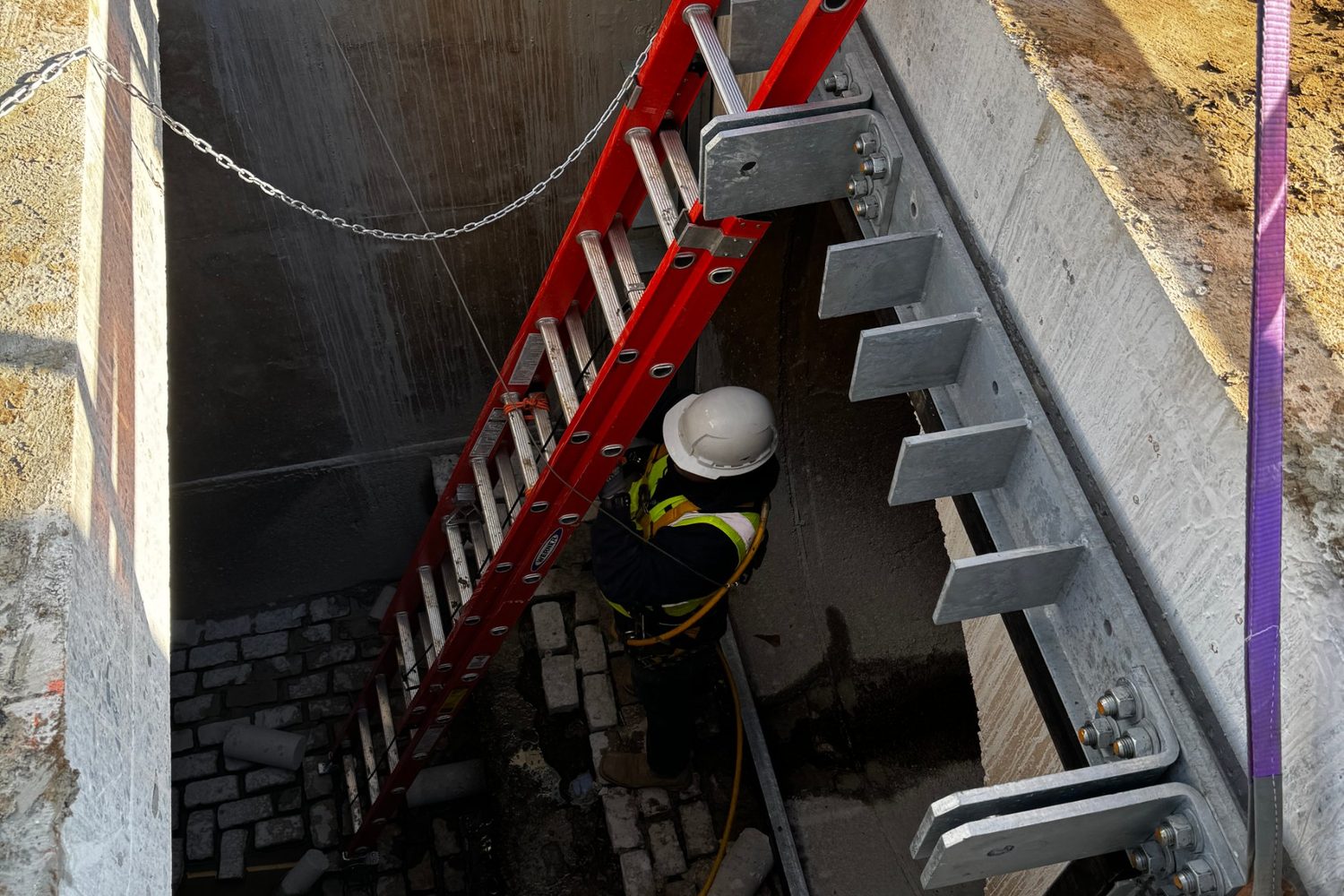
- Access constraints: confined entry, ladders, hatches, distance from power
- Water quality information, potable, wastewater, industrial process water
Match the inspection level to the need
Underwater infrastructure inspections are commonly discussed in levels. A Level I inspection is a general visual assessment, useful for screening overall condition. A Level II inspection adds detailed examination and measurements of identified areas. A Level III inspection involves testing or more intrusive investigation where required.
Not every structure needs the most detailed inspection. Screening a reservoir for general condition is a different exercise than documenting scour at a bridge pier for an engineer's repair design. State the purpose up front and the appropriate level follows.
Plan around operations, not against them
Many inspections can be planned around a facility that remains in service, but each condition must be evaluated individually for flow, isolation, access, safety and operational constraints. Some structures can be inspected with live flow; others require a brief isolation window or partial drawdown.
Involve the operator early. Plant staff usually know things the drawings do not, where debris collects, which gates leak, which screens have failed before.
Define the deliverable before mobilizing
Depending on the scope, documentation may include narrated video, still photography, measurements, condition observations and a formal report organized by structure component. Agreeing on the deliverable in advance prevents a mismatch between what the owner expected and what the report contains.
If the findings may lead to repair, say so when scoping. A report written with the next phase in mind saves a second mobilization.