What Owners Should Know Before Commercial Diving Begins
Reviewed by Joseph Templeton, President, Zion Marine · Last reviewed October 2026
Site preparation, safety expectations and coordination before a dive team mobilizes.
Commercial diving is a regulated industrial activity
Commercial diving operations in the United States are performed under applicable OSHA commercial diving regulations, and many projects incorporate recognized industry standards and owner requirements. What that means for a facility owner: dive operations involve formal planning, a designated supervisor, documented procedures and defined emergency response, not improvisation.
What the dive team will need from the facility
Most site requirements are ordinary industrial logistics. Resolving them before mobilization keeps the project on schedule.
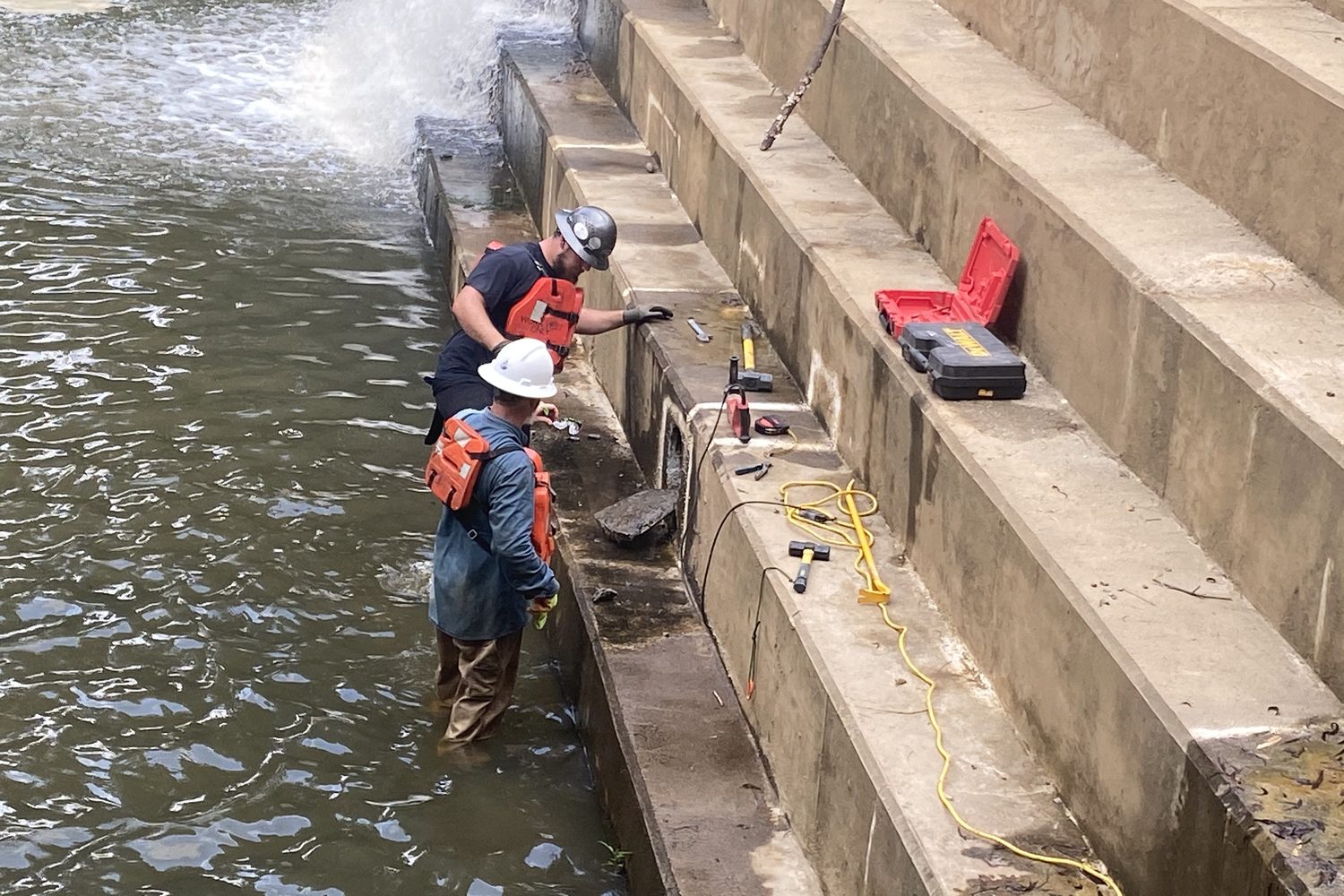
- Safe access to the work area for personnel and equipment
- A staging area for the dive station and support equipment
- Power availability and water access as required by the project
- A site orientation covering hazards, routes and facility rules
- A facility point of contact during operations
- Awareness of any facility activities that affect the work area
What to expect during operations
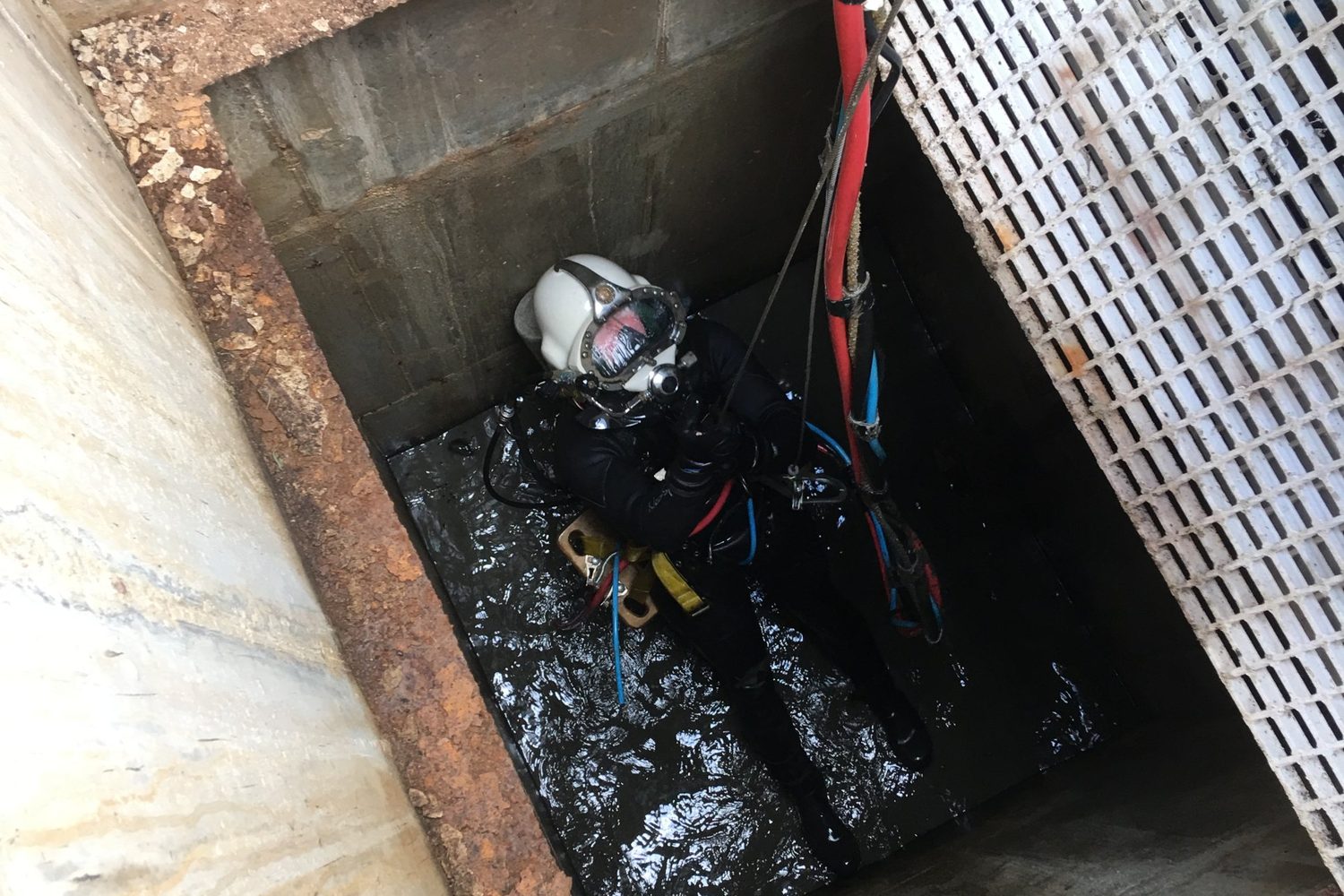
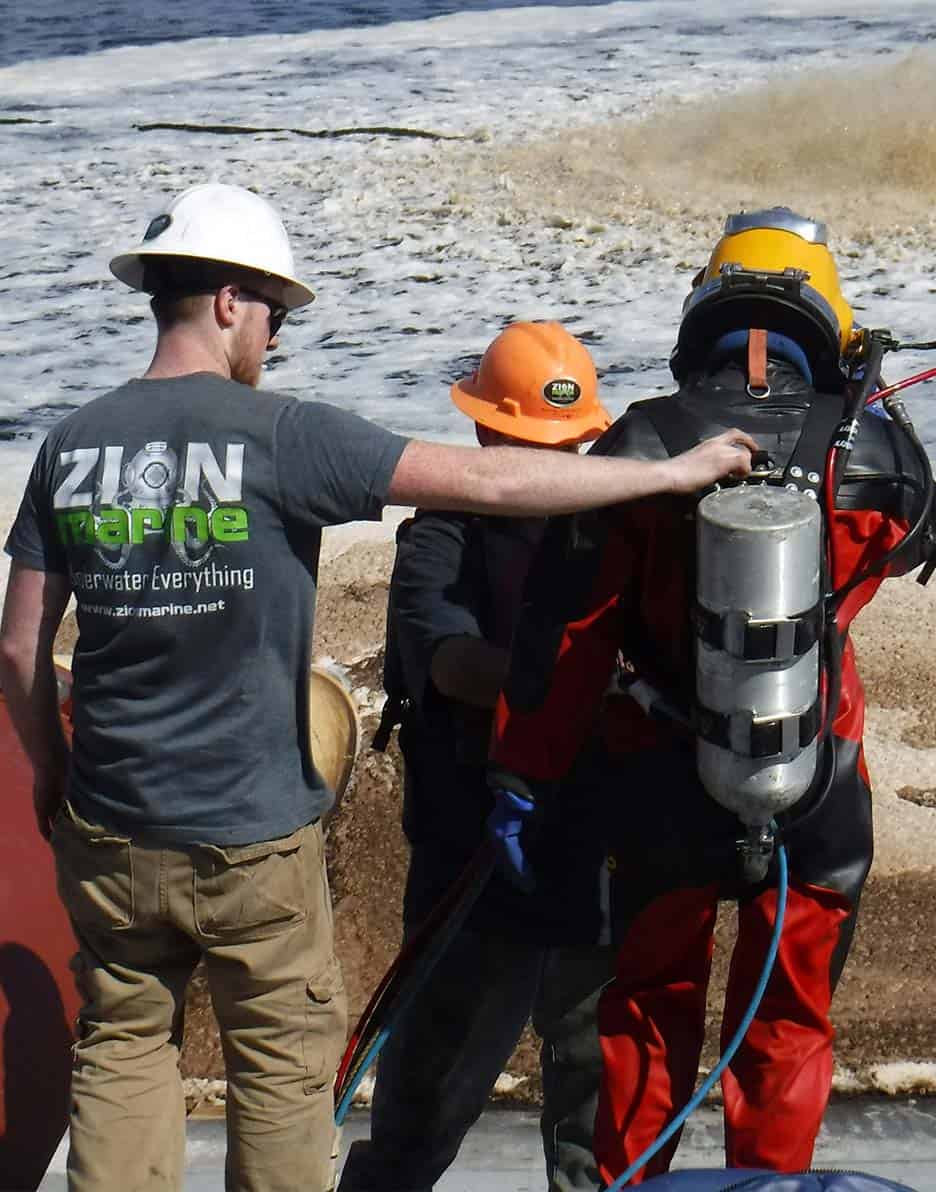
A surface-supplied dive operation includes a dive station at the surface, continuous communication with the working diver, a standby diver ready for deployment, and a supervisor directing the operation. Work proceeds in planned dive rotations. Facility staff will see a disciplined industrial operation, and the supervisor will coordinate with the facility contact around plant activities.
Safety coordination is two-way
The dive team brings diving-specific safety procedures; the facility brings knowledge of its own hazards, flows that can be started, chemicals in the process, traffic, confined spaces and unusual structure behavior. The pre-dive briefing is where those two knowledge sets combine. Owners should designate someone with authority to answer operational questions during the project.
Documentation follows the work
Daily progress documentation, video and photographic records, and a final report are standard on infrastructure projects. Agreeing on the format and content before work begins keeps the deliverable aligned with what the owner or engineer needs.