Planning an Underwater Dam Inspection
Reviewed by Joseph Templeton, President, Zion Marine · Last reviewed October 2026
Gates, trash racks, outlets and concrete, what a dam inspection should cover.
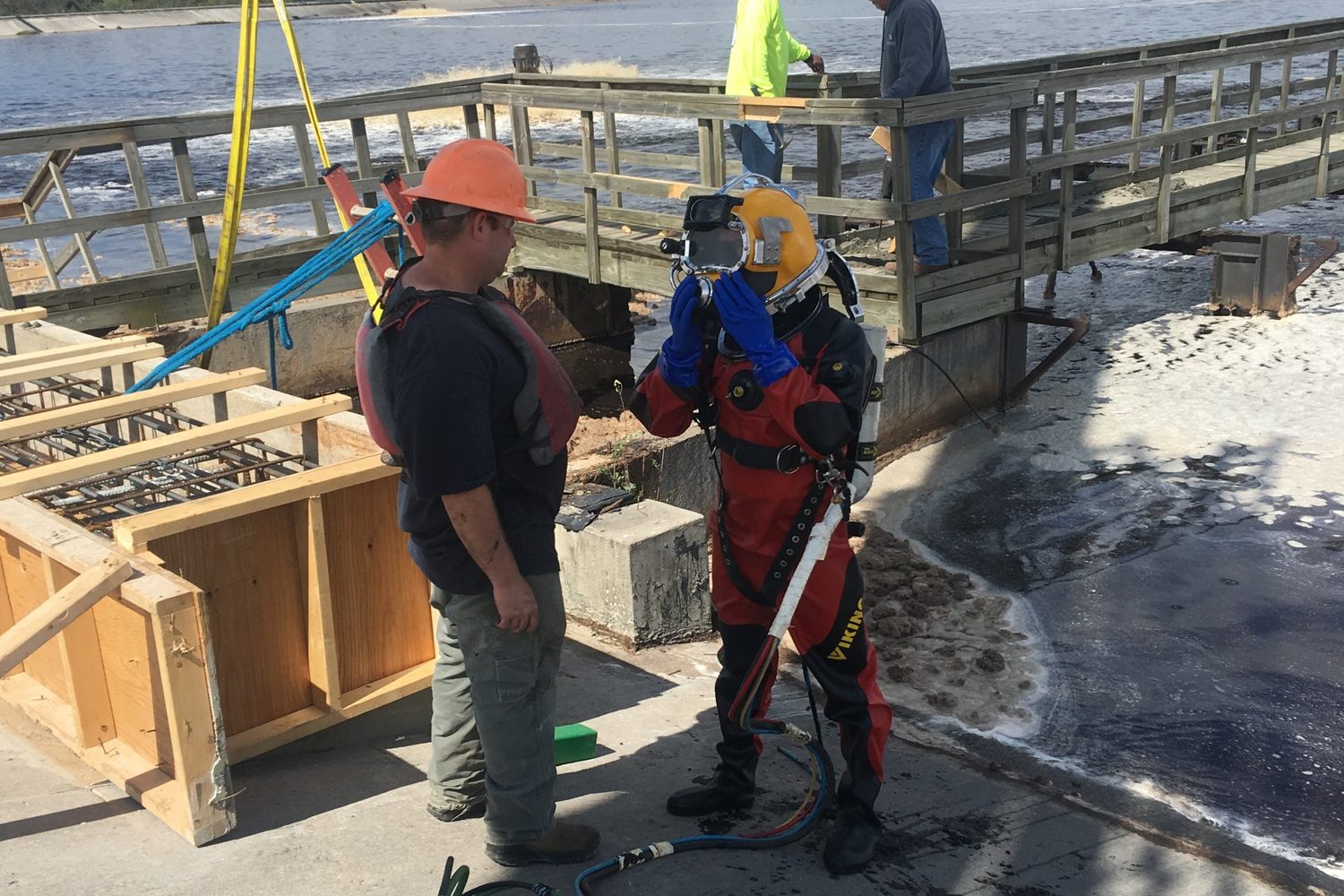
What a dam inspection covers
A dam's submerged components are its working parts: gates, guides and hoist connections, trash racks, low-level outlets, intake structures, stop log slots and bulkhead slots, and the concrete and steel around all of them. An underwater dam inspection is scoped around those components and the conditions that affect them, corrosion, debris, sediment, concrete deterioration and gate performance.
The operational context
Dam inspections are planned around reservoir level, gate availability and outlet operations. Some components can only be inspected when gates are in a particular position or when flows are managed. Early coordination with the dam operator on operating constraints is essential, the inspection plan and the dam's operation have to fit together.
Gates deserve specific attention
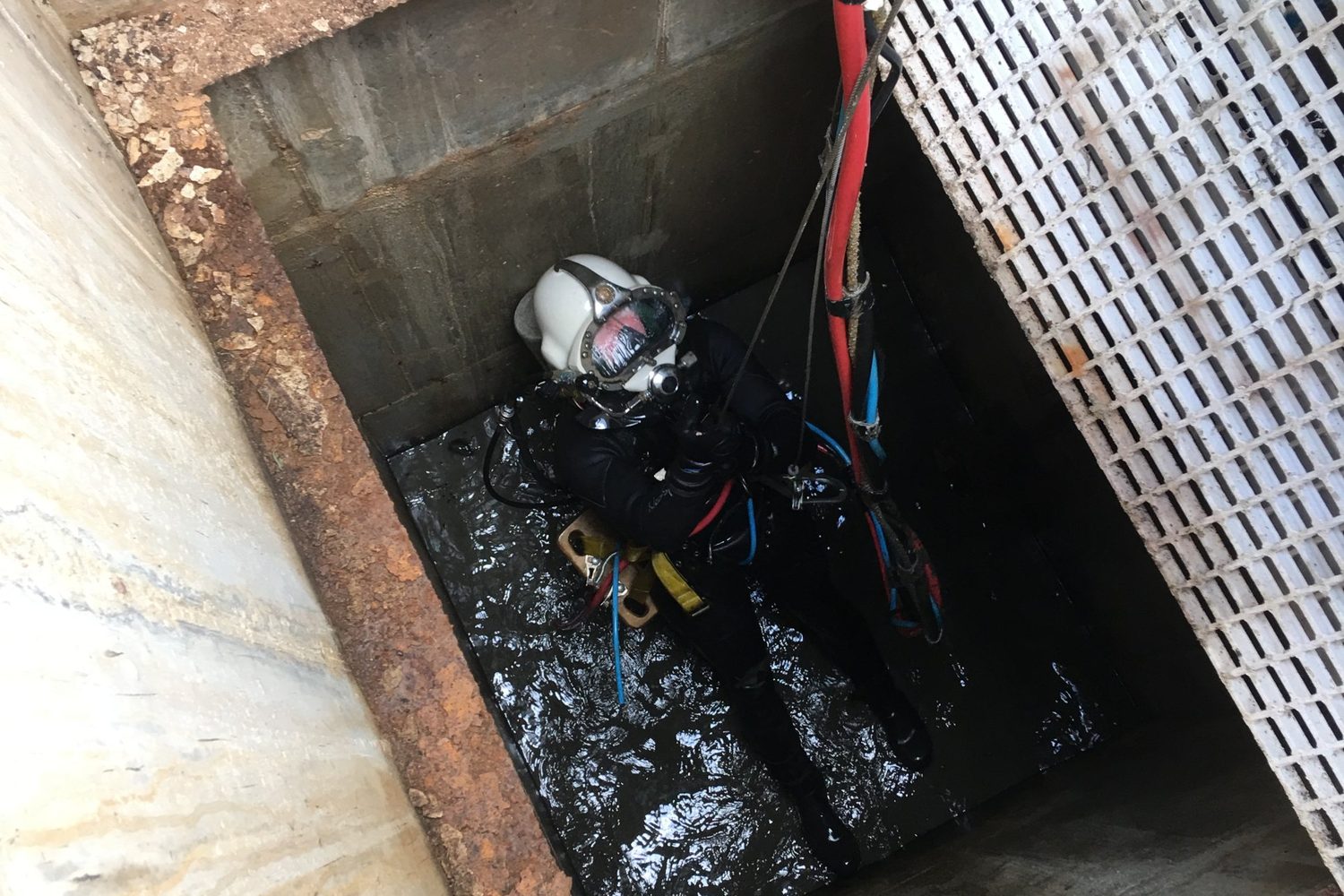
Gates are mechanical systems operating underwater for decades. Inspection typically addresses the gate leaf and frame, seals and seal seats, guides and wheels where present, connection hardware, and the concrete around the gate slot. Findings feed directly into decisions about gate repair, seal replacement or replacement planning.
Trash racks and intakes
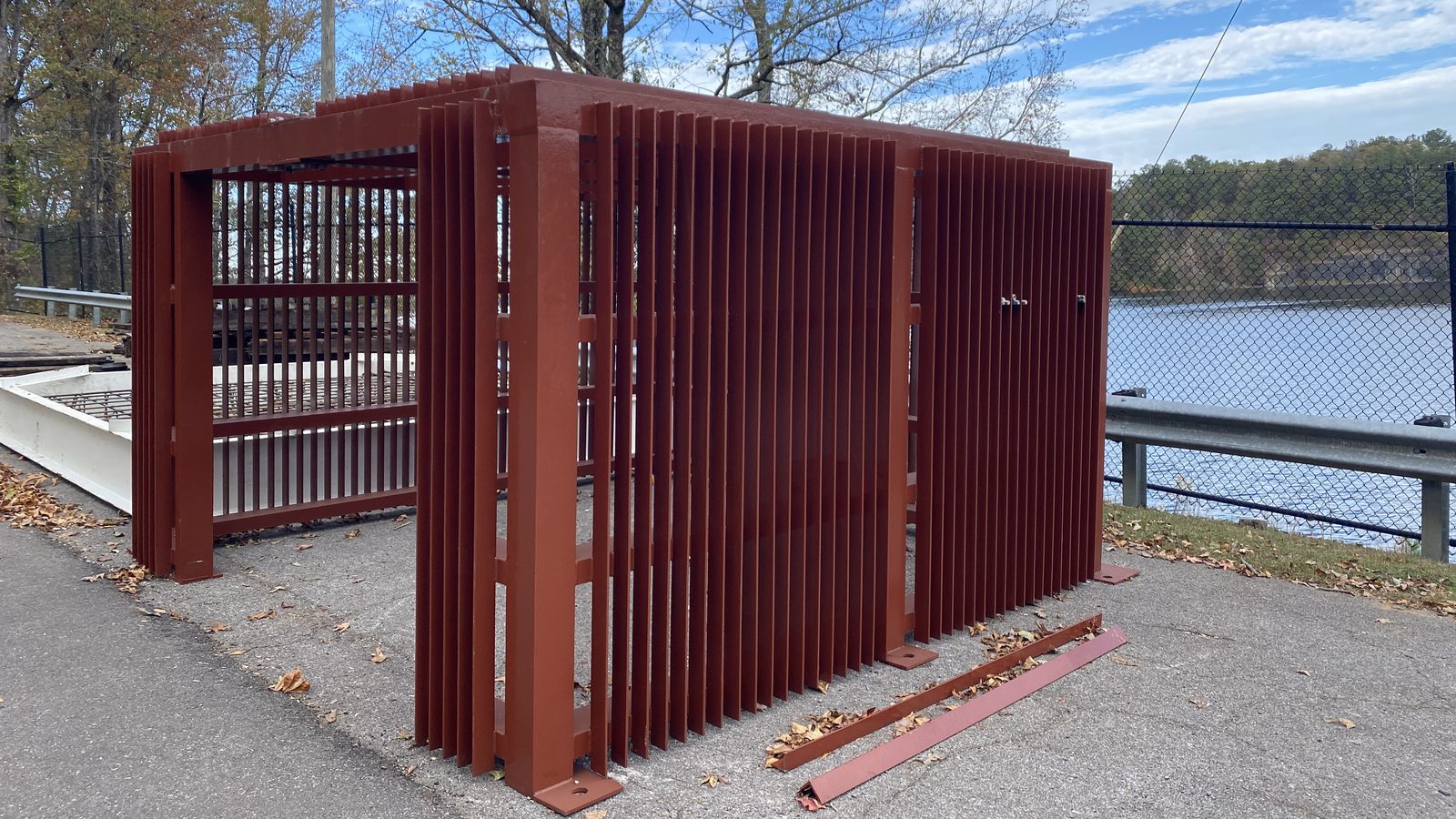
Trash racks protect the outlets and intakes, and they bear the debris load. Inspection covers structural condition, bar integrity, debris accumulation and the approach area. Debris removal is often performed in the same mobilization as the inspection.
Sediment and the outlet works
Sediment accumulation affects outlet capacity and can bury components. Mapping sediment depth in the approach and around intakes is a standard part of dam inspection, and the results feed both maintenance dredging decisions and long-term sediment management planning.
Documentation across inspection cycles
Dam owners benefit most from inspections that are comparable over time: the same components, the same location references, findings compared against prior cycles. A consistent documentation structure turns individual inspections into a condition history for the structure.